Things to do · Khaptad
The Khaptad Plateau
A rolling highland of grassy patan meadows, oak and rhododendron forest and springs — the heart of Khaptad.
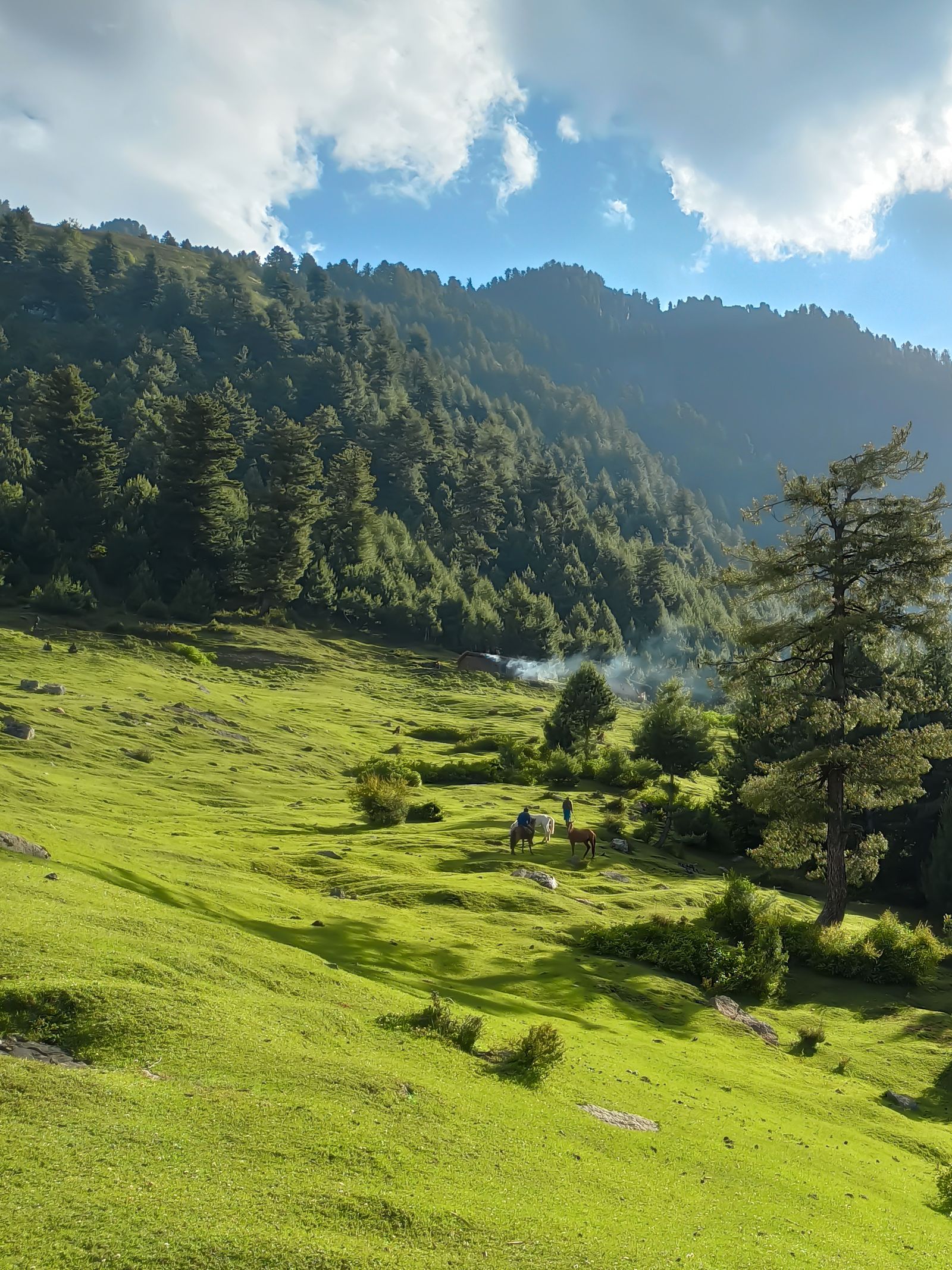
The Khaptad plateau is the rolling, pastoral highland at the heart of Khaptad National Park — a broad expanse of grassy meadows and forest set at around 3,000m in far-western Nepal. Unlike Nepal's dramatic ridges and gorges, Khaptad is gentle and open: its signature patans (meadows) ripple across the plateau between stands of oak, fir and rhododendron, threaded by cold springs and small streams. It is the centrepiece of any trip to Khaptad and the reason the plateau feels so serene.
What to expect
The plateau spreads across four far-western districts and rises in soft folds rather than sharp peaks. Walking it is a pleasure: paths cross open grassland grazed in the warmer months, dip into shady forest, and link the scattered shrines and the small Khaptad Lake. Mist often gathers over the patans at dawn and dusk, lifting to reveal long views toward distant Himalayan ridges on clear autumn days. The quiet is profound — you may walk for hours and meet only a herder or a pilgrim.
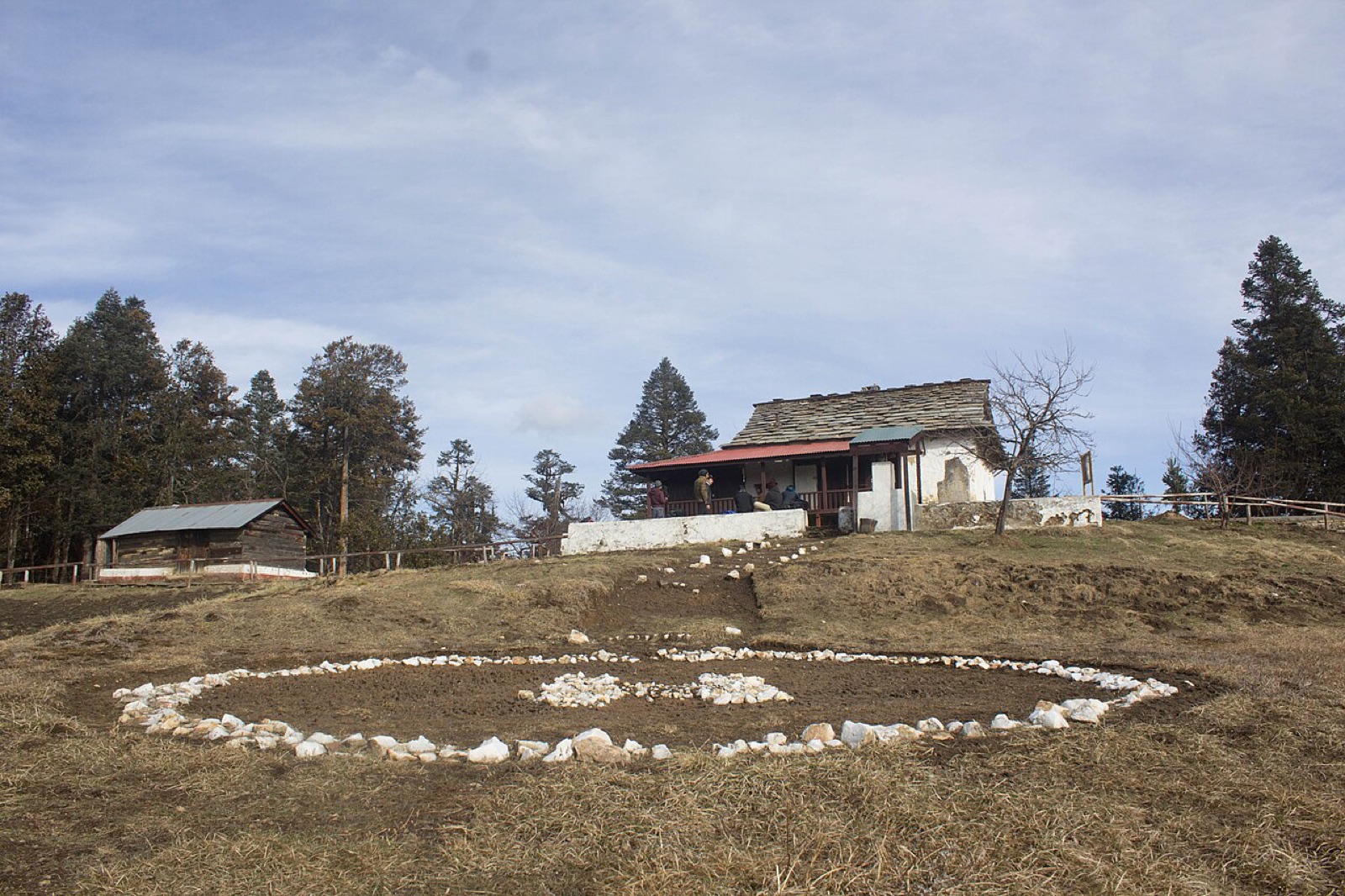
The meadows are botanically rich, carpeted in wildflowers and medicinal herbs in spring and early summer, and the forest fringes shelter birds and shy mammals. The plateau's gentle terrain and its many springs are part of what drew the ascetic Khaptad Baba to settle here, and the Khaptad Baba Ashram sits at its centre. For the seasonal colour, time your visit for the rhododendron meadows and grasslands in spring.
Walking the patans
Most visitors spend two to three days wandering the plateau, linking the meadows, viewpoints and shrines on easy day walks of a few hours each. The terrain is forgiving, but trails across the open patans can be faint, so a local guide helps with navigation. Carry water, snacks and warm layers — the plateau is exposed and weather can change quickly even in the trekking seasons. Walking the top things to do in Khaptad in sequence is the ideal way to take in the whole highland without rushing.
Good to know
- Altitude: Around 3,000m, so pace yourself, especially in the first day after the climb up.
- Park fees: The plateau lies within a national park, so an entry fee applies; arrange permits and a guide via how to get to Khaptad.
- Wider context: See the full ecology in the national Khaptad National Park guide and the national parks of Nepal collection.
Featured in
More what to do in Khaptad

Frequently asked questions
What is the Khaptad plateau?+
The Khaptad plateau is a broad, rolling highland at around 3,000m in far-western Nepal, made up of open grassy meadows called patans interspersed with oak, fir and rhododendron forest, springs and small streams. It is protected within Khaptad National Park.
How high is the Khaptad plateau?+
The plateau lies mostly between roughly 2,400m and 3,300m, with the meadows and main sites around 3,000m. The altitude keeps the air cool and the climate gentle, supporting the grasslands and forest that define the landscape.
Is the Khaptad plateau easy to walk?+
Once you are up top, yes — the plateau is one of Nepal's gentlest highlands, with rolling meadows and forest paths rather than steep climbs. The effort is in the one- to two-day trek up from the trailhead; the plateau itself is easy, unhurried walking.
What grows on the Khaptad plateau?+
The patans are grassland rich in wildflowers and medicinal herbs, fringed by oak, fir and rhododendron forest. In spring the meadows and forest bloom with wildflowers and rhododendron, while springs and small streams thread the landscape year-round.