Travel tips · Nepal
Nepal Travel Essentials: Practical Tips
Power cuts, tipping, safe water, toilets, bargaining and scams — the everyday practical tips that make a Nepal trip smoother.
Nepal is one of the most rewarding countries in Asia to travel, but it runs on its own rhythm. Power cuts, squat toilets, cash-only shops, energetic bargaining and the odd tout are all part of the experience, and a little preparation turns potential frustrations into non-events. This collection gathers our most useful everyday tips — the practical knowledge that does not fit neatly into a trekking or sightseeing guide but quietly shapes how smooth your trip feels.
The short answer
Bring cash and a power bank, never drink the tap water, tip modestly, bargain with a smile, and keep your wits about you in tourist areas. Get those basics right and Nepal is friendly, cheap and easy to enjoy. Each guide below goes deeper on one essential topic — tap any to dive in.
Power, water and the daily basics
Nepal's infrastructure can be patchy, so two habits matter most. First, plan around electricity: read Nepal electricity, plugs and power cuts to learn the voltage, plug types and how to keep devices charged when the grid drops. Second, take water seriously — our guide to drinking water and food safety in Nepal explains why tap water is never safe and how to eat well without an upset stomach.
Bathrooms are the other surprise for many first-timers. The honest, no-squeamishness rundown in toilets and hygiene in Nepal covers squat versus Western toilets, carrying your own paper and soap, and staying clean on the trail.
Money, shopping and avoiding trouble
Nepal still runs largely on cash, and prices in markets are rarely fixed. Learn the friendly art of haggling in bargaining and shopping in Nepal, and know how much to give in tipping in Nepal so you reward good service without overpaying. For the wider money picture — ATMs, cards and exchange — see our money and ATMs in Nepal guide.
A small number of touts and tricks target visitors, especially in Thamel and around bus parks. Our guide to travel scams and how to avoid them in Nepal walks through the common ones — fake guides, gem and trekking-permit cons, taxi overcharging — and the simple responses that defuse them.
Travelling thoughtfully and safely
Two of our most-read practical guides round out the essentials. Women heading out alone should read solo female travel in Nepal for honest safety advice, what to wear and how to handle attention. And because Nepal's trails and culture are fragile, responsible and sustainable travel in Nepal shows how to tread lightly, pay porters fairly and keep your money in local hands.
Plan the rest of your trip
These tips work best alongside the big-picture planning guides. Decide when to go with the best time to visit Nepal, pack smart using our Nepal packing list, and sort entry formalities through the Nepal visa guide. None of the essentials here are complicated on their own; the difference comes from knowing them before you arrive rather than learning the hard way mid-trip. Spend ten minutes with each guide below, build a few simple habits — carry cash and a power bank, treat your water, tip and bargain fairly, and stay scam-aware — and the small frustrations that catch out unprepared visitors simply melt away. Combine that everyday know-how with good planning and you will arrive confident, comfortable and ready to enjoy the mountains, temples and people that make Nepal unforgettable.
Shopping & markets

Plan your trip

Electricity, Plugs and Power Cuts in Nepal
Tipping in Nepal: A Practical Guide
Drinking Water and Food Safety in Nepal
Toilets and Hygiene in Nepal
Travel Scams in Nepal and How to Avoid Them
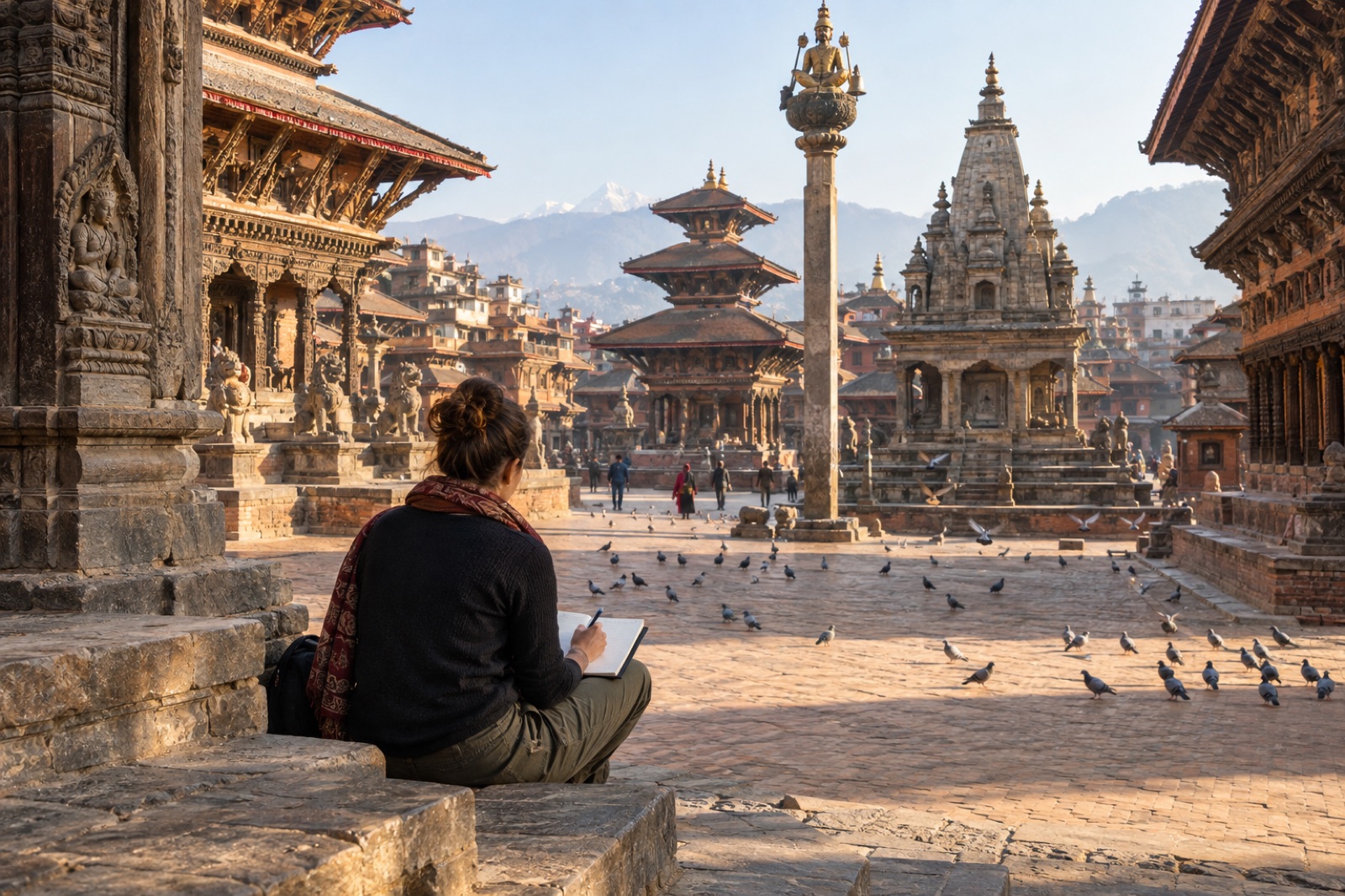
Solo Female Travel in Nepal
Responsible Travel in Nepal
Frequently asked questions
What are the most important practical tips for travelling in Nepal?+
Carry some cash because cards are not accepted everywhere, treat or buy your drinking water rather than trusting the tap, expect power cuts and bring a power bank, and learn to bargain politely in markets. Tipping is appreciated but modest, toilets are often squat-style outside hotels, and a little cultural awareness goes a long way. None of it is difficult — it just helps to know before you go.
Is Nepal an easy country to travel in?+
Nepal is friendly and rewarding but rough around the edges. Roads are slow, electricity and water supplies can be unreliable, and a small number of touts and scams target tourists. With realistic expectations and the practical habits in these guides — safe water, modest tipping, careful bargaining and basic scam awareness — most visitors find it straightforward and deeply enjoyable.
Do I need to tip in Nepal?+
Tipping is welcome but not obligatory. Trekking guides and porters are usually tipped at the end of a trip, restaurants may add a service charge, and small tips for good service are appreciated. Our tipping guide breaks down realistic amounts for each situation so you neither under- nor over-tip.
Is tap water safe to drink in Nepal?+
No — tap water is not safe to drink anywhere in Nepal, including Kathmandu. Use bottled, boiled or properly filtered and treated water, and avoid ice and raw foods washed in untreated water. Carrying a filter or purification tablets is the cheapest, greenest way to stay safe and cut plastic waste.