Travel tips · Nuwakot
Prithvi Narayan Shah and the Unification of Nepal
How the Nuwakot fort became the base from which Prithvi Narayan Shah unified Nepal.
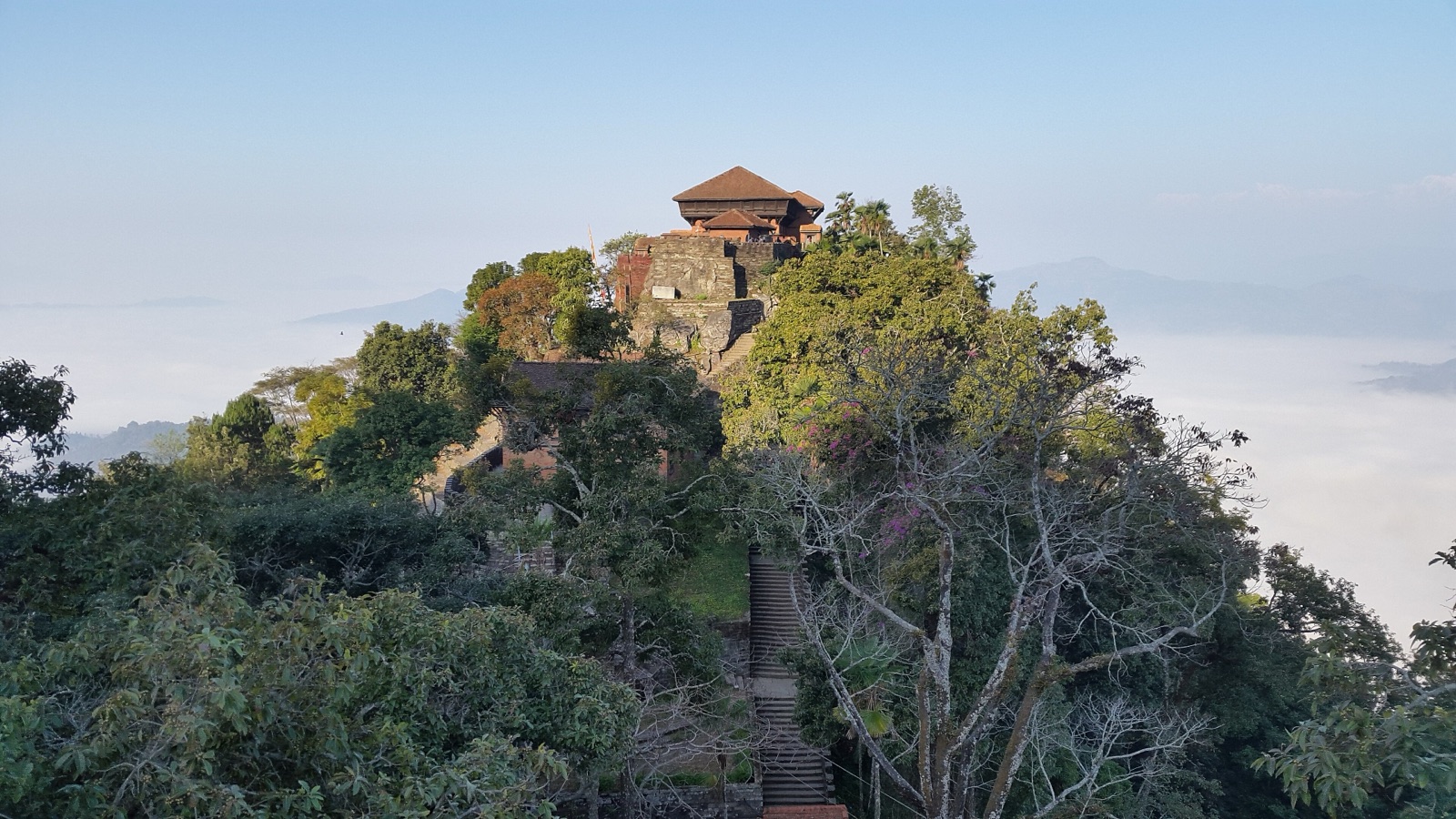
Prithvi Narayan Shah, the king of the small hill state of Gorkha, used the Nuwakot fort as the forward base from which he conquered the Kathmandu Valley and laid the foundations of modern, unified Nepal in the 18th century. The tall seven-storey Durbar that crowns the ridge is the physical heart of that story.
The short answer
Nuwakot mattered because it controlled the trade route into the Kathmandu Valley. Capturing it in 1744 gave the young king a stranglehold on the valley's supply lines and a strategic stronghold close to his goal. From this hilltop he ran the patient, decades-long campaign that ended with the fall of Kathmandu in 1768 — the birth of unified Nepal.
From Gorkha to Nuwakot
The Shah dynasty's roots lay in Gorkha, west of here, where Prithvi Narayan Shah was born and crowned. To reach the rich valley kingdoms he first needed a base nearer his target, and Nuwakot — perched above the rivers on the main trade artery — was ideal. Its capture was an early, decisive victory. You can trace the dynasty's origins at the Gorkha Durbar and follow the thread forward to Nuwakot.
The long campaign for the valley
Rather than a single battle, unification was a war of attrition and blockade. From the Saat Tale Durbar the king choked off trade to Kathmandu, Patan and Bhaktapur, picked off surrounding strongholds and slowly tightened his grip. The fall of Kathmandu in 1768, during the Indra Jatra festival, sealed the conquest of the valley and is taken as the starting point of modern Nepal.
Walking the history today
- The Durbar: Stand inside the seven-storey Nuwakot Durbar, the king's command post, to feel the strategic command of the ridge.
- The court temple: Visit Bhairabi Temple, the protective goddess shrine to whom the Shah court turned before battle.
- The wider trail: Pair Nuwakot with Gorkha to follow unification from its source to its decisive base.
For more on the country's story and where to travel it, see our roundup of the top things to do in Nuwakot, the Nuwakot travel guide and our national guide to the best places to visit in Nepal.
Frequently asked questions
Why was Nuwakot important to Prithvi Narayan Shah?+
Nuwakot commanded the trade route between the Kathmandu Valley and Tibet, so capturing it gave Prithvi Narayan Shah control of the valley's supply lines. He turned the hilltop fort into his forward base, the Saat Tale Durbar, and directed his long campaign against the valley kingdoms from there.
When did Prithvi Narayan Shah take Nuwakot?+
He captured Nuwakot in 1744, early in his reign as king of Gorkha. The victory was a turning point, giving him a strategic stronghold from which to tighten his grip on the Kathmandu Valley over the following decades.
Did Prithvi Narayan Shah unify Nepal from Nuwakot?+
Nuwakot was the key staging post. From this fort he blockaded and gradually subdued the valley kingdoms of Kathmandu, Patan and Bhaktapur, finally taking Kathmandu in 1768. That campaign is regarded as the beginning of unified, modern Nepal.
How does Nuwakot connect to Gorkha?+
Gorkha was the ancestral seat of the Shah dynasty and Prithvi Narayan Shah's birthplace; Nuwakot was the forward base he seized to project power towards Kathmandu. Visiting both traces the unification story from its origin in Gorkha to its decisive theatre at Nuwakot.