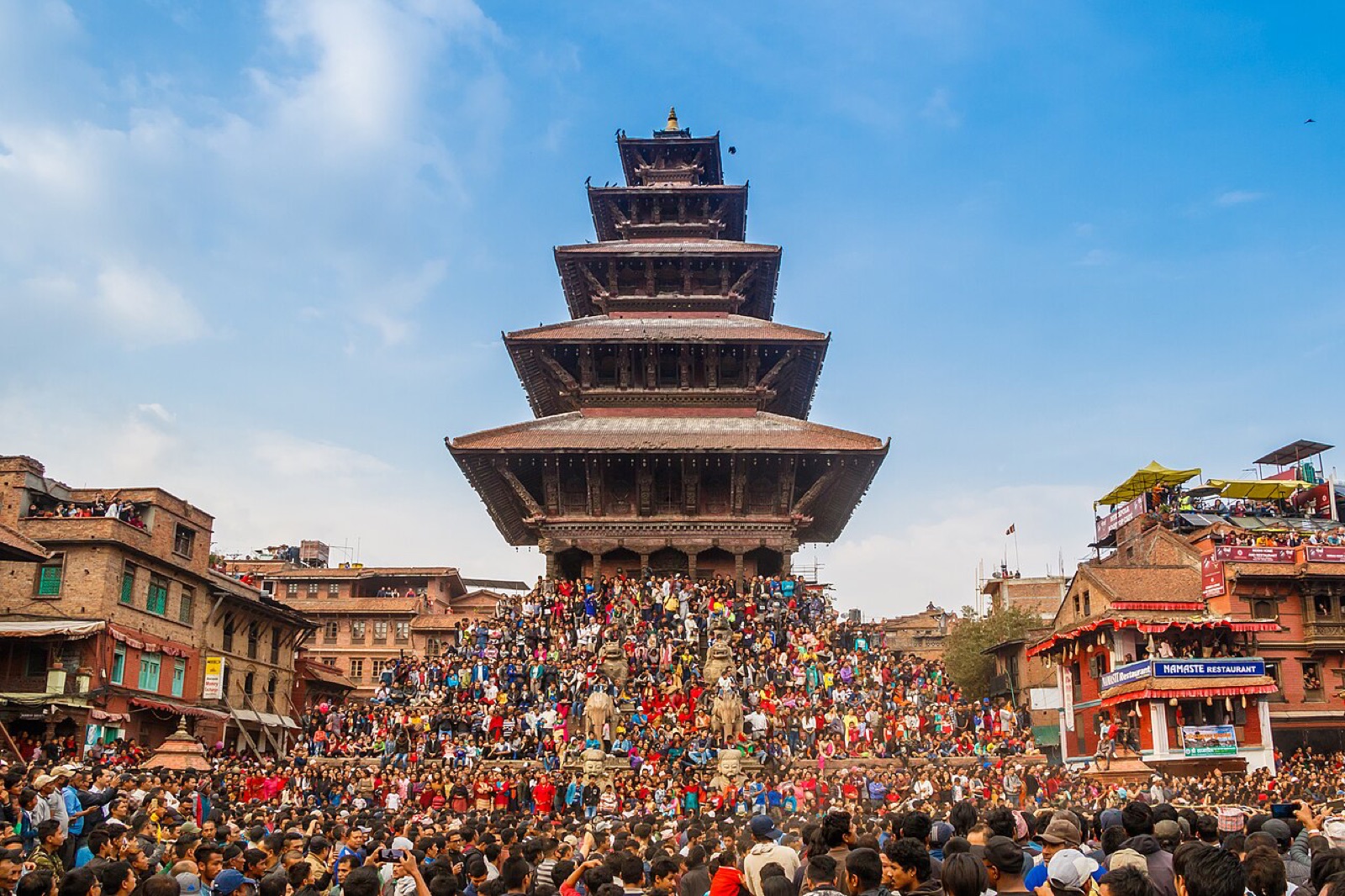
Festival · Simikot
Humla Culture and Villages
A blend of Tibetan Buddhism and Hindu hill traditions — medieval Limi villages, ancient gompas and an isolated far-western people.
The culture of Humla, the district around Simikot, is one of Nepal's most distinctive — a meeting of Tibetan Buddhism in the high northern valleys and Hindu hill traditions in the lower south. Sealed off by geography and lacking a road, Humla has preserved old languages, dress, trade customs and faith in a way that has vanished almost everywhere else. This collection gathers the places where that living culture is felt most strongly.
The short answer
To understand Humla, visit its monasteries and villages. The medieval Limi Valley — with the villages of Til, Halji and Jang — is the cultural heart of the north, anchored by the thousand-year-old Halji (Rinchenling) Monastery and the cliff-set Raling Gompa hermitage. Down at the district capital, the Simikot bazaar is where the Buddhist north and Hindu south of Humla meet and trade.
Tap any place below for what to expect and how to visit it respectfully. For wider context, see culture and people of Nepal.
Two worlds in one district
What makes Humla so unusual is its religious and ethnic divide. The upper, northern valleys close to Tibet — above all Limi — are ethnically Tibetan and strongly Buddhist, with barley terraces, yak herds, chortens and gompas that feel lifted from the Tibetan plateau. The lower, southern parts of the district follow Hindu hill traditions, with their own festivals, castes and farming life. Around Simikot the two worlds overlap, which is part of what gives the bazaar its lively, mixed character. Understanding this divide is key to reading the landscape as you trek.
A culture shaped by trade and isolation
For centuries, Humla's high villages lived by cross-border trade with Tibet — salt, wool, grain and crafts carried over the passes — and by subsistence farming in a harsh, high climate. The medieval art of Halji's Rinchenling monastery, the retreat tradition of Raling, and the communal governance of the Limi villages all spring from this long isolation. It is a fragile heritage: changing trade, new roads and environmental pressures are reshaping life here, which makes respectful, low-impact travel especially important — see how it fits within Buddhism in Nepal.
Travelling respectfully
- Be a considerate guest: Dress modestly, ask before photographing people or monastery interiors, and walk clockwise around shrines and chortens.
- Support local life: Use village homestays and buy local food where you can — see where to stay in Simikot.
- Tread lightly: This is a fragile, remote region — follow responsible travel in Nepal.
- Plan: Weave the culture into your route with the best things to do in Simikot and the Limi Valley trek.
Trekking & treks

What to do


Frequently asked questions
What is the culture of Humla like?+
Humla's culture is a striking blend of Tibetan Buddhism in the high northern valleys, such as Limi, and Hindu hill traditions in the lower, southern areas. It is one of Nepal's most isolated districts, so old languages, dress, trade customs and religious practices survive remarkably intact.
Who lives in the Limi Valley?+
The Limi Valley's three villages — Til, Halji and Jang — are home to ethnically Tibetan, Tibetan-Buddhist communities who speak Tibetan, farm barley and once traded extensively across the border. Their medieval village life, centred on monasteries like Halji's Rinchenling, is among the most intact in Nepal.
What religions are practised in Humla?+
Both Tibetan Buddhism and Hinduism. The upper, northern valleys near Tibet are strongly Buddhist, anchored by ancient gompas such as Halji and the Raling hermitage, while the lower, southern parts of the district follow Hindu hill traditions. The two worlds meet around Simikot.
How should travellers behave in Humla villages?+
Travel respectfully: dress modestly, ask before photographing people or monastery interiors, walk clockwise around shrines and chortens, and follow your guide's lead. Buying local food and lodging, and treading lightly in this fragile, remote region, helps support the communities you visit.