
Shopping · Birgunj
Birgunj's Cross-Border Trade & Bazaars
How cross-border trade with India shapes Birgunj — the bazaars, the busy Raxaul crossing and the frontier city.
Birgunj is Nepal's commercial gateway, a city whose entire character is shaped by cross-border trade with India. Sitting on the country's busiest land frontier, it is where goods enter Nepal in vast quantities before fanning out across the nation — which is exactly why Birgunj is so often called the country's commercial capital. This guide ties together the places where that trade story comes alive.
The short answer
The trade flows through three connected places: the working frontier at the Birgunj–Raxaul border crossing, the dense Birgunj bazaar where goods are sold, and the ceremonial Shankaracharya Gate on the road that links them. Together they explain how a flat Terai city became Nepal's busiest commercial hub.
How the trade works
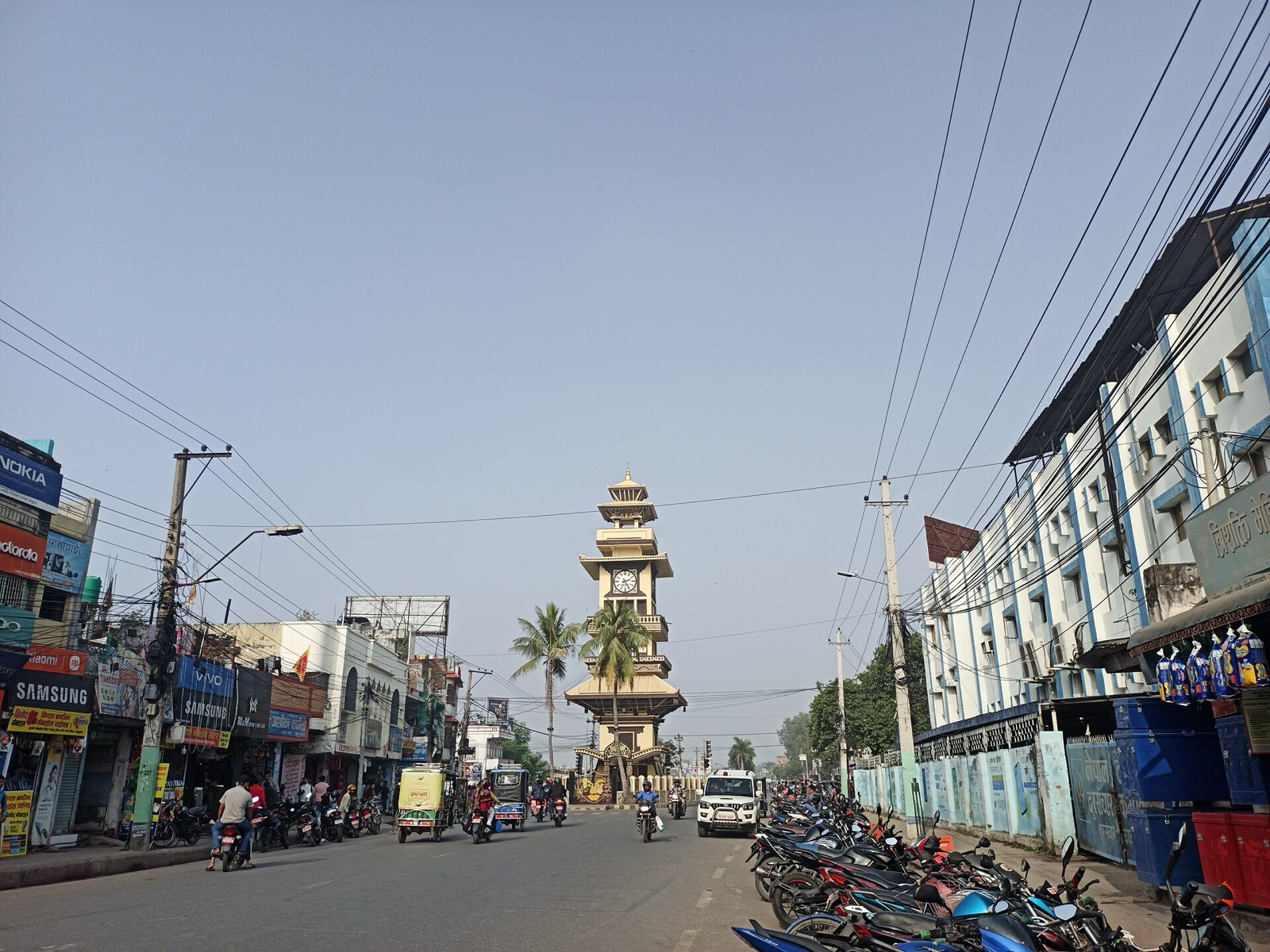
Goods arriving from India cross at Birgunj–Raxaul, Nepal's single most important land border, where Raxaul in Bihar links to the Indian railway network. From the customs posts and warehouses, freight is trucked north toward Kathmandu and distributed across the country. The wholesale and retail markets that cluster around the Ghantaghar handle the local end of that chain, selling cloth, electronics, hardware and everyday goods.
Seeing it for yourself
For travellers, the bazaars and the border zone offer a vivid, first-hand look at the commerce that drives the city. Wander the market lanes, watch the trucks and handcarts at the crossing, and you get an immediate sense of Birgunj's purpose. If you plan to shop, our guide to bargaining and shopping in Nepal will help, and for wider context see the Terai lowlands.
Good to know
- Be discreet at the border: The crossing is a working customs and immigration point — follow signs and avoid photographing security.
- Bargain politely: Many bazaar prices are negotiable.
- Plan a stop: Combine the trade sights with the rest of the top things to do in Birgunj, and sort transport with how to get to Birgunj.
What to do


Shopping & markets
Frequently asked questions
Why is Birgunj called Nepal's commercial capital?+
Birgunj sits on Nepal's busiest land border with India and handles a huge share of the country's overland trade. Goods entering through the Birgunj–Raxaul crossing feed markets across Nepal, which is why the city is widely regarded as the nation's commercial capital.
What drives Birgunj's economy?+
Cross-border trade is the engine of the city. Customs, warehousing, transport and wholesale markets cluster here to move goods between India and the rest of Nepal, giving Birgunj its busy, trade-driven character and its dense bazaars.
Can travellers see the trade in action?+
Yes. The bazaars around the Ghantaghar and the working border zone at Birgunj–Raxaul offer a vivid, first-hand look at how goods and people move between the two countries. It is a working environment, so be respectful and discreet, especially near customs.
Is Birgunj a good place to shop?+
Birgunj's bazaars are strong on practical goods — textiles, clothing, electronics and household wares — at local prices, much of it flowing across the border. It is a trade market rather than a tourist shopping district, prized for its atmosphere and everyday range.


