
Things to do · Birgunj
The Best Things to Do in Birgunj
The Ghantaghar, Gahawa Mai Temple, lively border bazaars and the Shankaracharya Gate — Nepal's southern gateway city.
Birgunj packs a vivid slice of Terai border life into one busy city: a landmark clock tower, a revered goddess temple, an ornate ceremonial gate, trade-driven bazaars right on the Indian frontier and the road into Parsa's forests. Here are the highlights worth your time.
The short answer
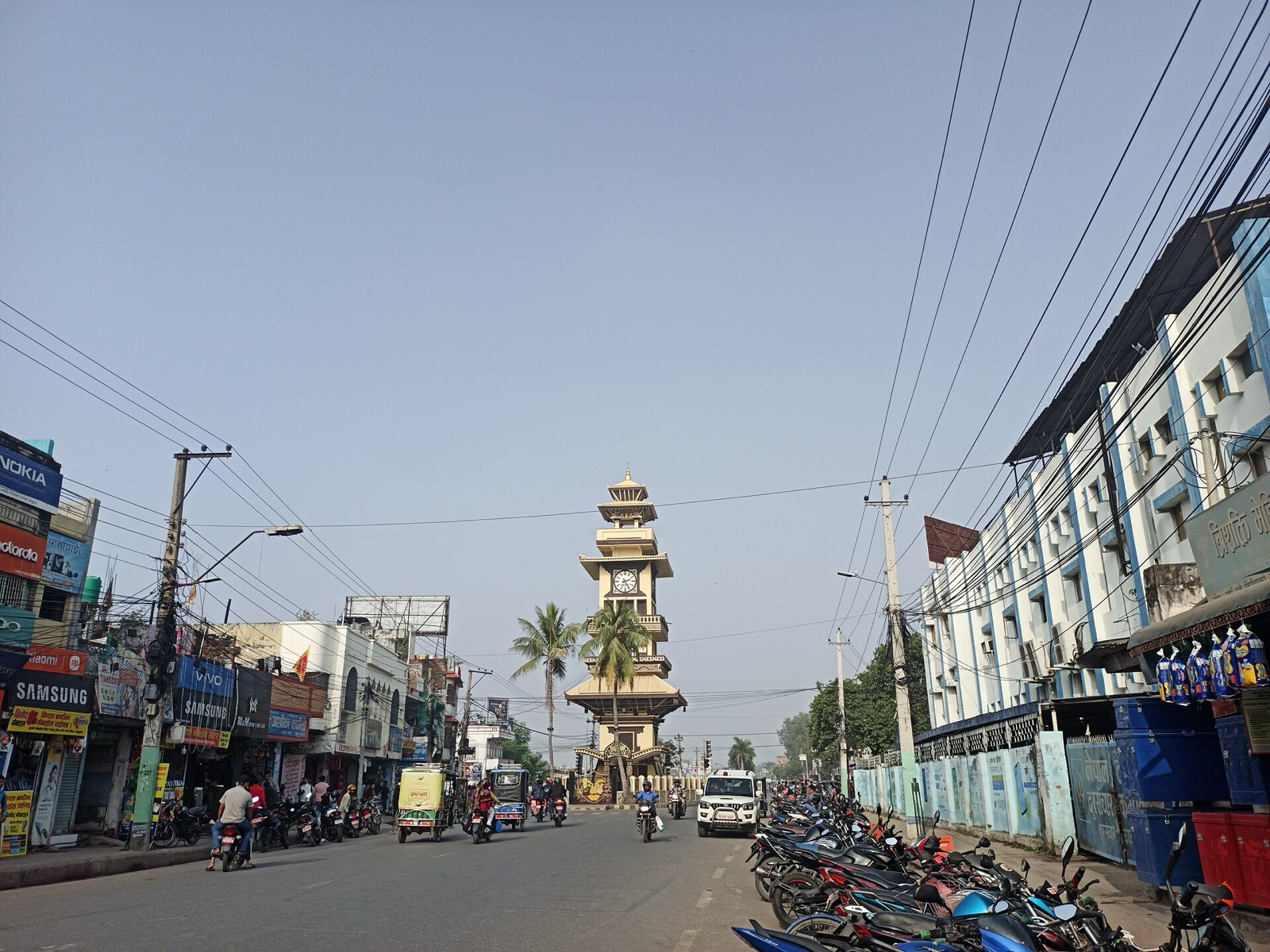
Start at the symbol of the city — the towering Ghantaghar clock tower, rising above the central bazaar. Then pay respects at the revered Gahawa Mai Temple, the spiritual heart of the city, and pass beneath the ornate Shankaracharya Gate that welcomes travellers into Birgunj. Plunge into the Birgunj bazaar, a maze of cross-border trade, and watch the rhythm of commerce at the Birgunj–Raxaul border crossing with India.
With more time, use the city as your launchpad for the sal forests and tigers of Parsa National Park. Tap any spot below for what to see, when to go and how to find it — and read the full city overview in our Birgunj travel guide.
A suggested day
Because Birgunj sits in the hot Terai, plan around the cooler hours. Start early with the Ghantaghar and a stroll around the central bazaar before the heat builds, then visit Gahawa Mai Temple while it is calm. Retreat from the fierce midday sun, then come back out in the late afternoon to wander the trade lanes and feel the energy of the border zone near Raxaul. If you have a second day, devote it to wildlife at Parsa National Park rather than the city itself.
What makes Birgunj different
What sets Birgunj apart is its position and its purpose. It is the commercial capital of Nepal, a true border city where Nepali and Indian Terai culture blend in the bazaars, the food and the languages on the street. It is also the country's busiest road gateway from India, which means it functions less as a destination in itself and more as the doorway to the whole country — explored in our guide to the city's cross-border trade.
Good to know
- Beat the heat: Birgunj sits in the hot Terai — explore in the early morning and evening, and see the best time to visit Birgunj.
- Getting around: Cycle and auto-rickshaws are the easiest way to cover the flat city; agree fares first.
- Dress: Gahawa Mai is an active temple, so cover your shoulders and knees and remove your shoes before entering.
- Border etiquette: The Raxaul crossing is a working frontier — keep your documents handy, check the Nepal visa rules and be discreet with photography.
What to do


Shopping & markets
Frequently asked questions
What are the must-see attractions in Birgunj?+
The unmissable sights are the landmark Ghantaghar clock tower at the heart of the bazaar, the revered Gahawa Mai Temple, the ornate Shankaracharya Gate and the buzzing border crossing at Birgunj–Raxaul. With more time, dive into the city bazaars and use Birgunj as a base for Parsa National Park.
How long should I spend in Birgunj?+
Half a day to a full day covers the clock tower, temple, gate and bazaars comfortably. Most travellers treat Birgunj as a one-night transit stop, either crossing the border to or from India or heading north to Kathmandu, Pokhara or Janakpur.
Is Birgunj good for a day trip?+
Yes, the city's core sights cluster around the central bazaar and can be seen in a few hours on foot or by rickshaw. Because of the Terai heat, early mornings and evenings are the best times to be out exploring.
What is the best time to visit Birgunj's sights?+
October to March brings the most comfortable weather for sightseeing in the hot Terai. Festival days at Gahawa Mai Temple are especially lively, while the pre-monsoon months of April to June are punishingly hot.


