Things to do · Chitlang
Chitlang Newari Heritage & Temples
Temples, shrines and slate-roofed farmhouses in Chitlang's living Newari valley village.
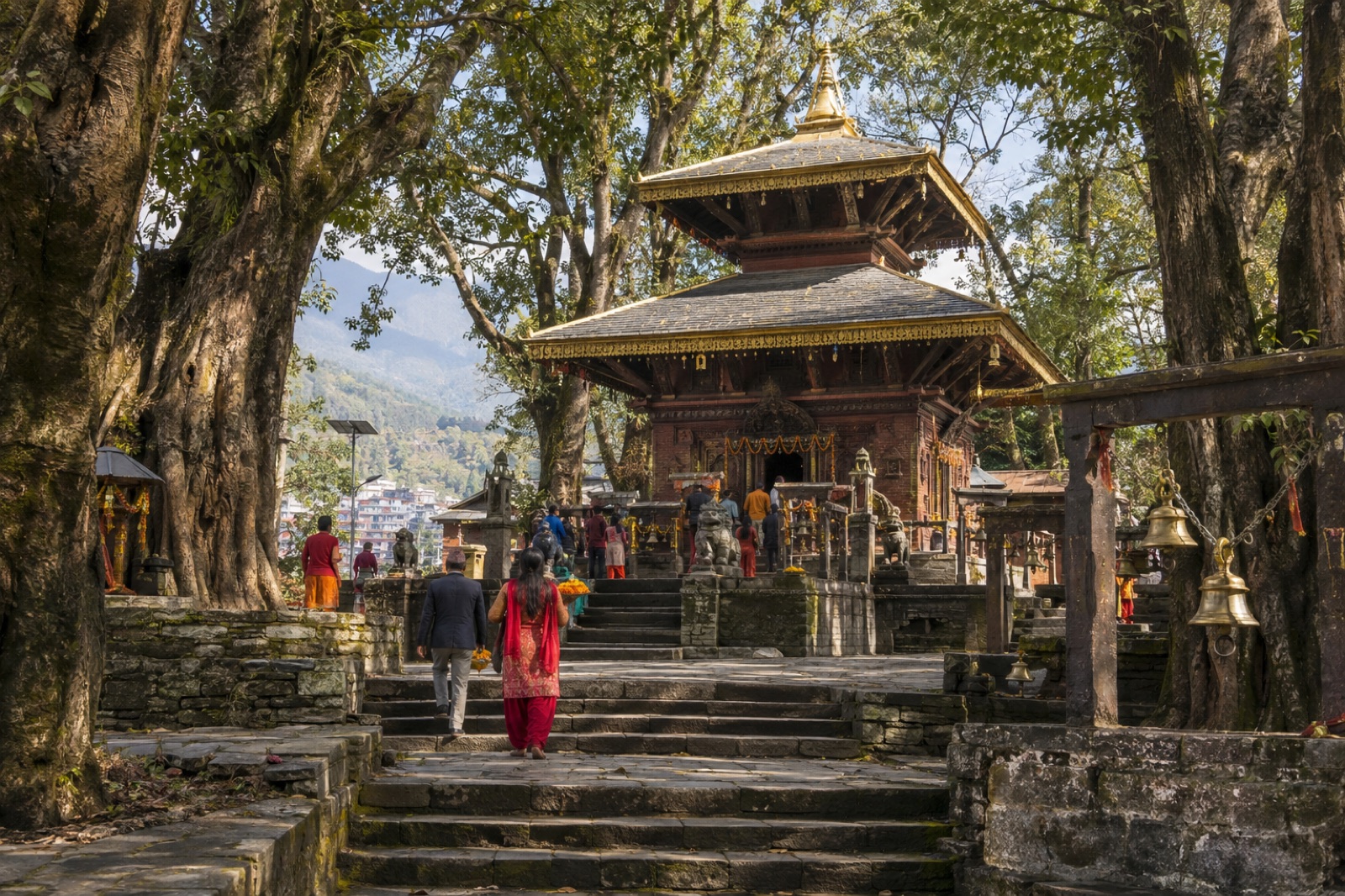
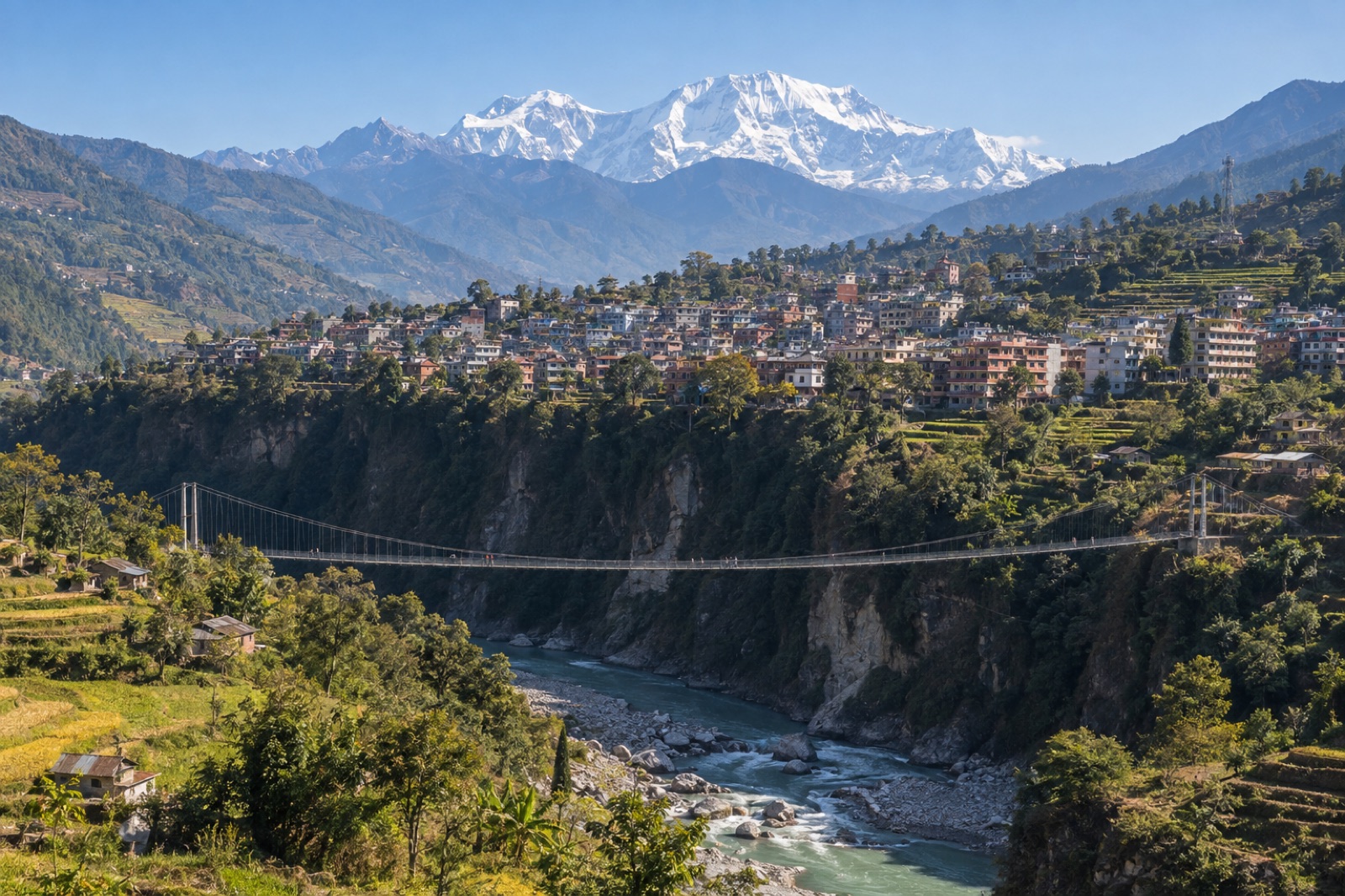
Chitlang is a living Newari village, and its heritage is not behind museum glass but woven into daily life. Walking the valley you pass slate-roofed farmhouses, stone-paved lanes, water mills, and a scattering of temples and shrines tended by the resident Newar community. It is a quietly atmospheric place to slow down and read a Nepali farming valley on foot.
What to look for
Small Hindu and local temples sit among the hamlets, important focal points for festivals and daily worship. Look out for carved wooden details on older houses, communal taps and rest platforms, and the patchwork of terraced fields that shapes the valley. A homestay host can point you to the most significant shrines and explain the jatras and temple festivals that animate the calendar.
A living valley, not a museum
What makes Chitlang's heritage memorable is that it is still in use. The temples are tended, the water mills still grind, the rest platforms still shade travellers, and the festivals still draw the village together. Newar settlements traditionally cluster around shared courtyards and water sources, and you can read that pattern in the way the hamlets are laid out, with communal taps, shrines and gathering spots at their heart. Agriculture shapes the rhythm too — the terraces, irrigation channels and seasonal work are as much a part of the heritage as the buildings.
Walking the village
The best approach is unhurried. Link a temple wander with a stretch of the salt-trade trail, which threads past many of the valley's heritage points, and break for a meal at one of the community homestays. The pace is part of the point. A local guide or host will know which shrines are significant, when the next festival falls and the small stories behind the carvings and the trade route — context that turns a pleasant stroll into something richer.
Good to know
- Dress modestly and ask before entering temple interiors or photographing people.
- Remove shoes where indicated at shrines, and walk clockwise around sacred structures.
- Festivals are special but accommodation fills fast — book ahead if you want to catch a jatra.
- Carry small change for offerings if you wish to participate respectfully.
Fold a heritage walk into your day using our Chitlang itinerary, and base yourself in the community homestays to do it justice. To go deeper, read our national guides to Newar culture and heritage and the culture and people of Nepal.
Featured in
More what to do in Chitlang

Frequently asked questions
What heritage can you see in Chitlang?+
Chitlang is a living Newari village, so its heritage is woven into everyday life: traditional slate-roofed farmhouses, small temples and shrines, water mills and stone-paved lanes. Wandering on foot is the best way to take it in.
Are there temples in Chitlang?+
Yes — the valley has several Hindu and local temples and shrines tucked among the villages, important to the resident Newar community. A homestay host can guide you to the most significant ones and explain their festivals.
Is Chitlang a Newari village?+
The valley has a strong Newar community alongside other groups, and Newari customs, architecture and food are central to its character. This heritage is a big part of what makes a homestay visit here distinctive.
When are temple festivals held?+
Festivals follow the Nepali lunar calendar, with celebrations around major Hindu and Newari festivals through the year. Ask your hosts whether your visit coincides with a local jatra or temple festival.