Things to do · Hetauda
The Bagmati and Rapti Rivers
The two rivers that frame Hetauda — riverside picnics, gravel bars and birdlife at the edge of the hills.
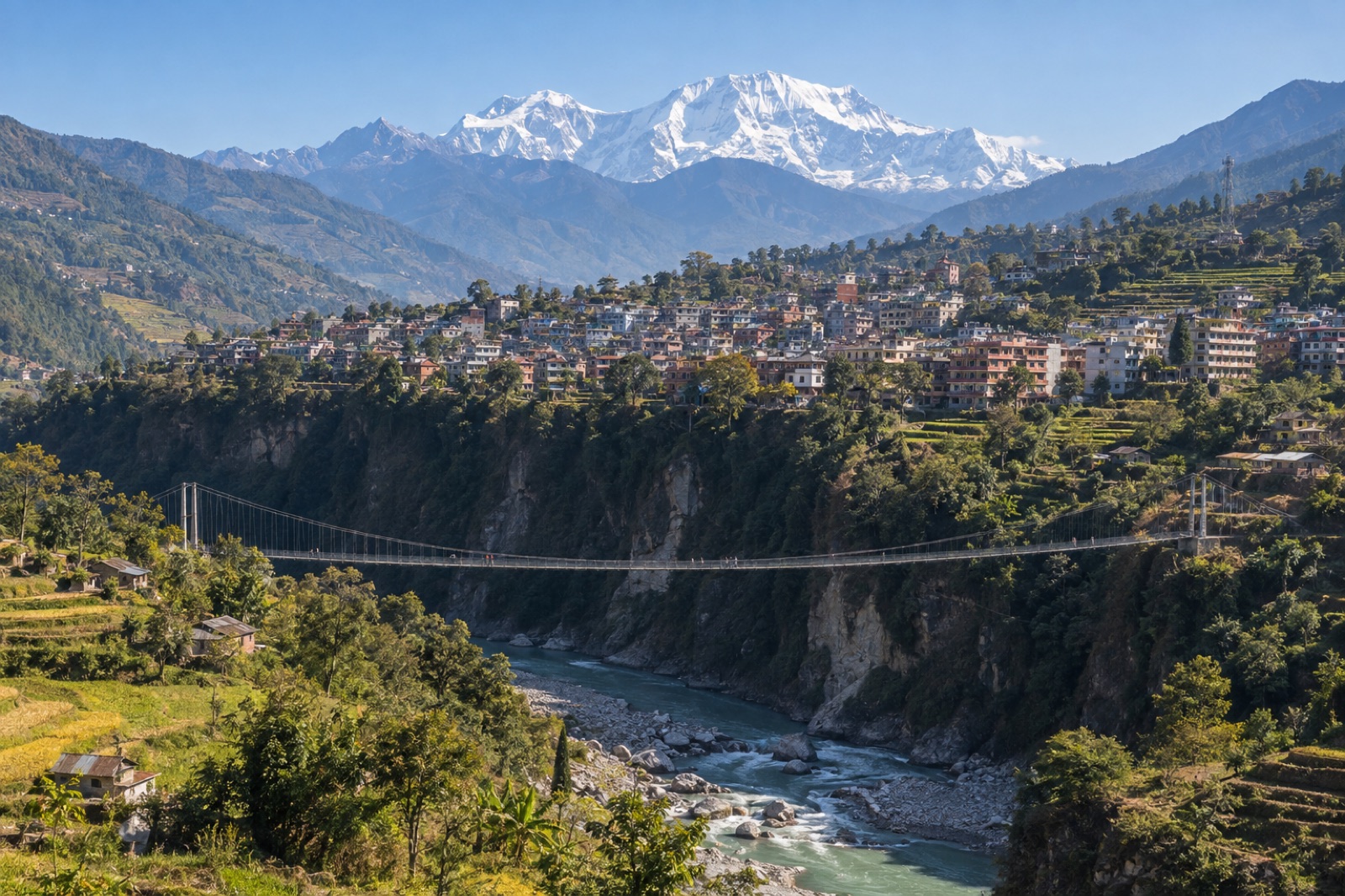
The Bagmati and Rapti rivers frame the city of Hetauda, draining the central hills as they head towards the Terai plains. Together they give the gateway city its green, watery edge — a network of riverbanks, gravel bars and quiet stretches that locals use for picnics, gentle walks and birdwatching, especially in the cool, clear months.
The two rivers
The Bagmati, sacred in the Kathmandu valley where it begins, flows south through the Makwanpur hills past Hetauda on its long journey to the plains. The Rapti drains the central hills to the west of the city. Neither is a single fixed attraction so much as a backdrop to daily life and an easy escape into nature at the city's edge. Where the rivers slow and braid across gravel beds, you will find the most pleasant spots to sit, paddle at the shallows and watch the water go by.
Riverside and birdlife
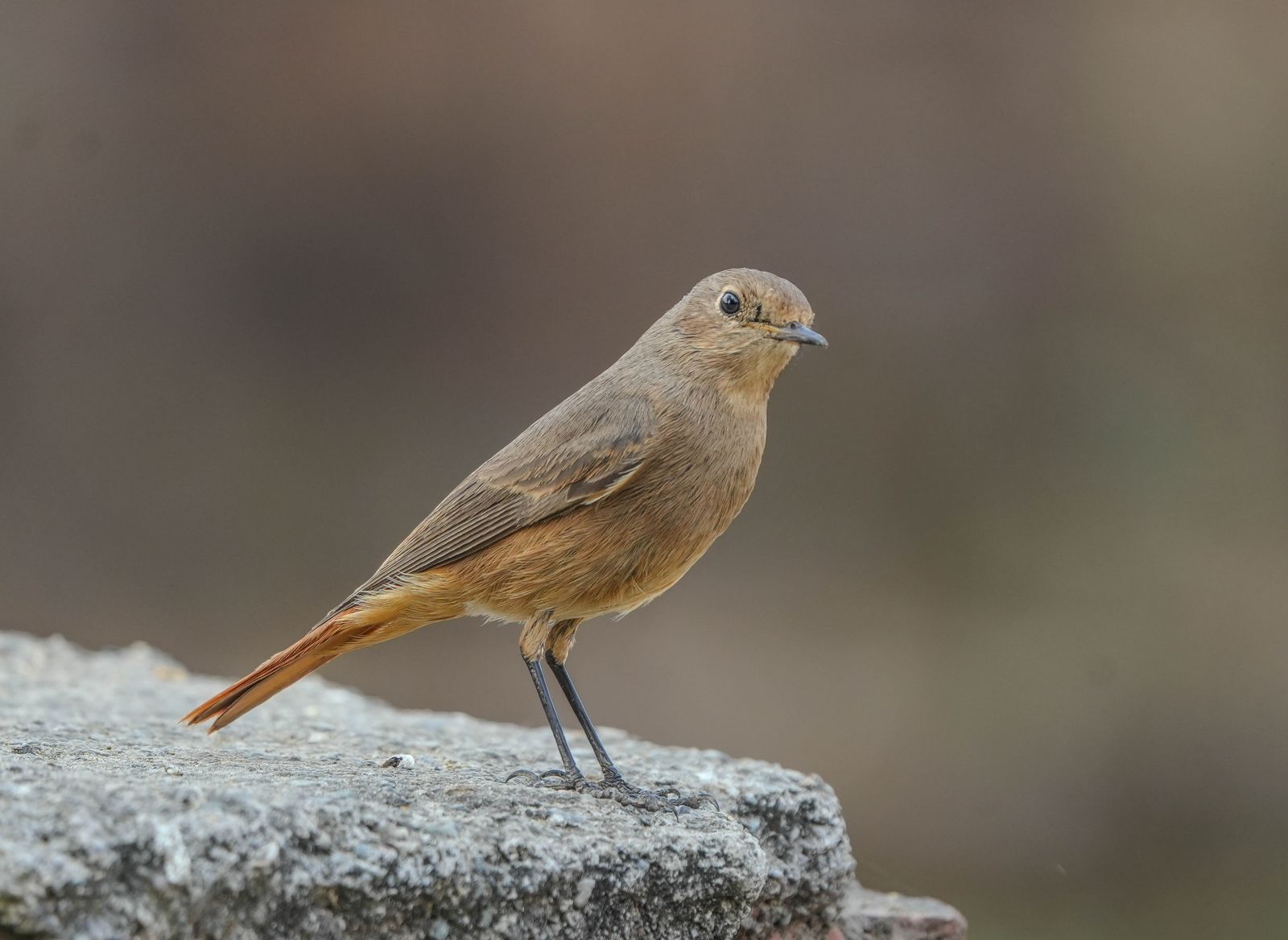
The banks and riverine vegetation around Hetauda attract a good variety of birds, making the rivers a relaxed destination for casual birdwatching — bring binoculars and visit in the early morning for the best activity. The combination of water, gravel bars and greenery is exactly the kind of habitat that rewards patient watching; for context on what to look for, see our guide to birdwatching in Nepal. A riverside hour pairs beautifully with the green calm of the Martyrs' Memorial Park in town.
Rivers in local life
Beyond their appeal to visitors, the rivers are woven into everyday life around Hetauda. The Bagmati carries deep religious significance from its source in the Kathmandu valley, and along its course communities gather at the water for rituals and cremations as well as for farming and fishing. The Rapti and Bagmati floodplains also support agriculture on the fertile bottomlands, and the gravel and sand of the riverbeds feed local construction. Seeing the rivers, then, is partly about appreciating how a hill-foot city lives with the water that shapes it. To understand how these rivers fit Nepal's wider geography, the transition they mark from hills to the Terai lowlands is striking — right here is where the central hills release their water onto the plains.
Good to know
- Safety: Do not swim — currents can be strong and rivers rise fast, especially in and after the monsoon.
- When to go: October to early spring for clear weather, calmer water and active birdlife.
- What to bring: A picnic, binoculars, sun protection and water.
- Nearby: Stitch the riverside into our Hetauda river and nature walks, and see it among the top things to do in Hetauda.
- More on the city: Read the full Hetauda travel guide for the whole picture.
Featured in
More what to do in Hetauda


Frequently asked questions
Which rivers flow near Hetauda?+
Two important rivers frame the Hetauda area: the Bagmati, which rises in the Kathmandu valley hills and flows south past Makwanpur towards the Terai, and the Rapti, which drains the central hills west of the city. Both shape the valley around the gateway town and provide its riverside spaces.
What can you do by the rivers near Hetauda?+
The riverbanks are popular for picnics, gentle walks and birdwatching, especially in the cooler months. Gravel bars and quieter stretches make pleasant spots to sit, while the surrounding vegetation attracts a good variety of birds. The rivers are about relaxed nature rather than developed activities.
Are the rivers near Hetauda safe for swimming?+
Rivers in Nepal can have strong, unpredictable currents and rise quickly, particularly during and after the monsoon, so swimming is not recommended. Enjoy the banks for picnics and walks, keep children supervised near the water, and avoid the rivers when they are high or in spate.
When is the best time to visit the rivers?+
October to early spring is best, when the weather is clear, the water is lower and calmer, and birdlife is active along the banks. The monsoon from June to September swells the rivers and makes the banks muddy and the currents dangerous.