Wildlife · Nepal
Birdwatching in Nepal: Top Species & Sites
Nepal's best birds and birding sites — from the national danphe and endemic spiny babbler to Koshi Tappu and Phulchowki.
The best birdwatching in Nepal combines an astonishing 880-plus species in a small country, the chance to see the dazzling national bird and the world's only endemic bird, and prime sites that range from Terai wetlands to Kathmandu Valley forest. Nepal's huge altitude range, from lowland jungle to the high Himalaya, squeezes many habitats into a short distance, making it one of Asia's richest and most rewarding birding destinations.
Key species to look for
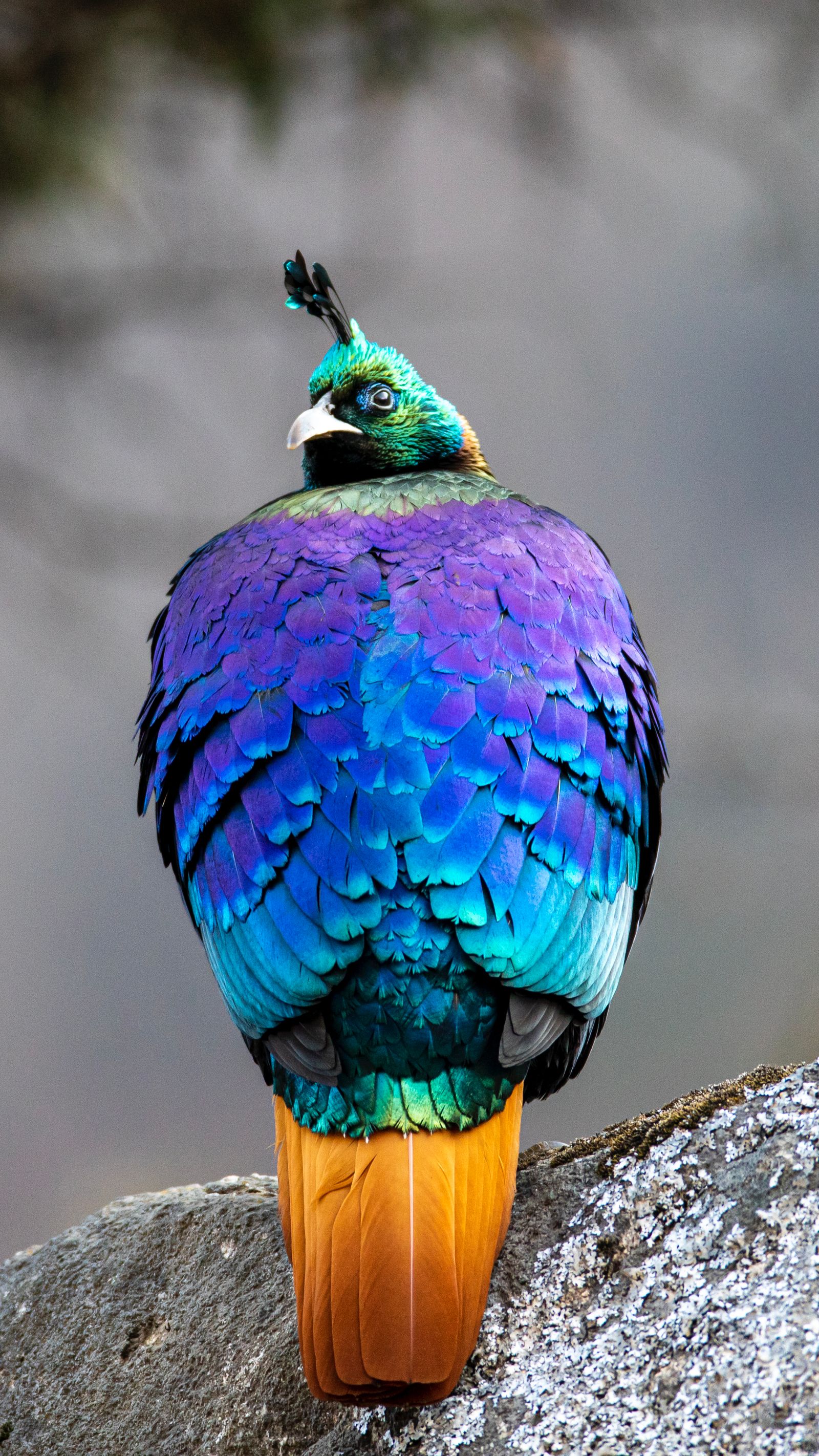
Two birds top every Nepal birding list. The first is the Himalayan monal, the national danphe, a pheasant whose male shimmers with metallic green, blue, copper and purple in the high oak and rhododendron forests. The second is the spiny babbler, Nepal's only endemic bird, a skulking brown songster of scrubby hillsides that exists nowhere else on the planet and that draws birders from around the world to tick it off.
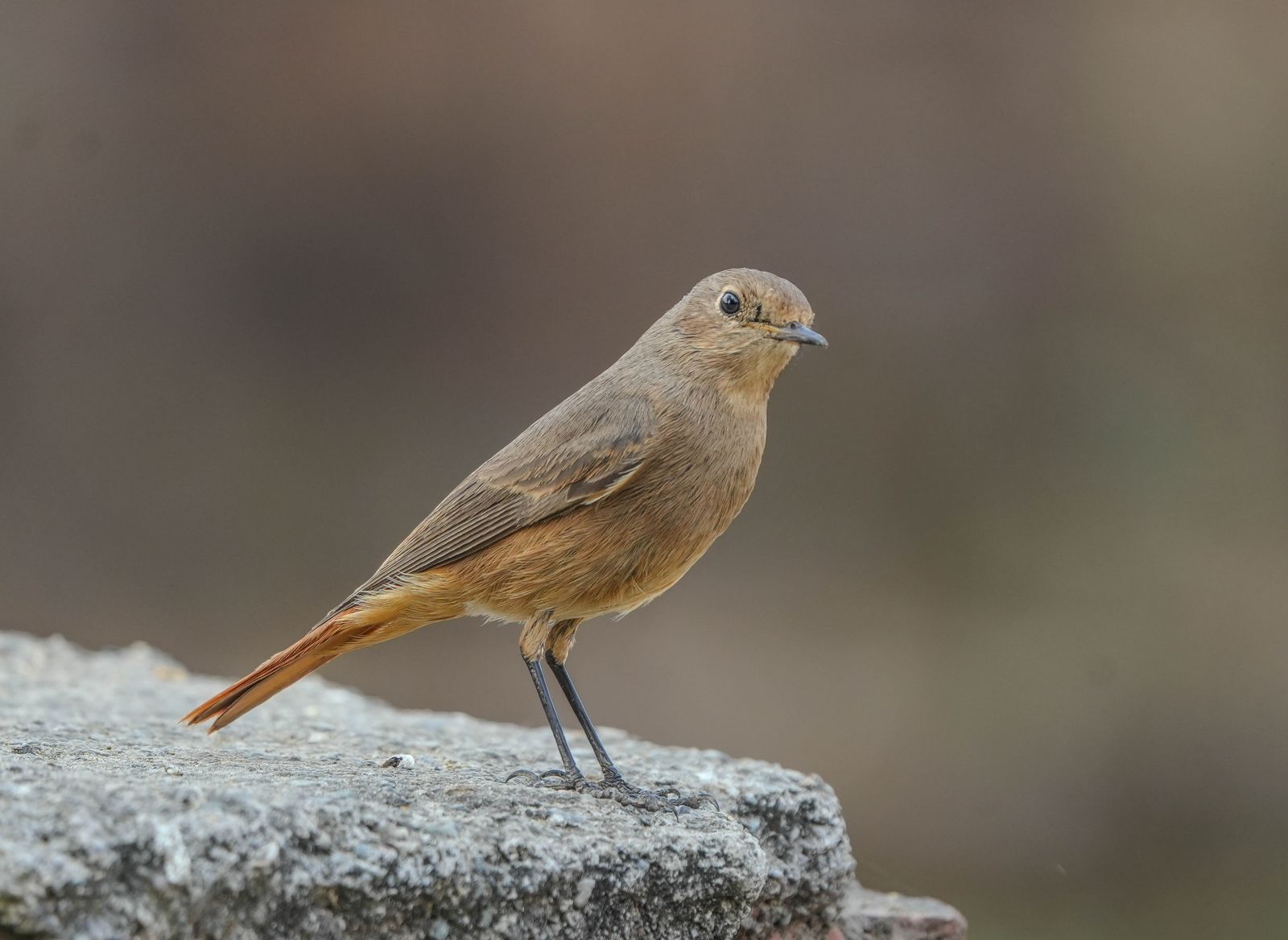
Beyond these flagships, Nepal's checklist runs from lammergeiers and Himalayan griffons riding mountain thermals to colourful sunbirds, minivets, laughingthrushes and parrotbills in the mid-hill forests, and from kingfishers and bee-eaters to storks, ibises and ducks down in the wetlands. For the wider picture of the country's fauna, browse the full wildlife of Nepal collection.
Prime birding sites
Two sites anchor any birding trip. In the east, Koshi Tappu birding on the floodplain of the Koshi River is Nepal's premier wetland, with over 480 species and immense flocks of wintering waterbirds — ducks, storks, ibises, waders, gulls and raptors. Near the capital, Phulchowki birding above Kathmandu Valley offers the most accessible top-quality forest, with hundreds of species recorded on a single hill and easy day access from the city.
These two cover the contrasting habitats most birders want: lowland wetland and mid-hill broadleaf forest. Many trips combine them with high-altitude forest birding in the trekking regions, where the monal and other Himalayan pheasants live. The country's protected areas are central to this richness — see the national parks of Nepal for the reserves that shelter the most species.
How to plan a birding trip
Season matters most. Winter (November to February) brings migratory waterbirds to the Terai wetlands in their thousands, while spring (March to May) is best for Himalayan forest species in fresh breeding plumage and full song. The monsoon (June to September) is wet, with leeches and difficult trails, so most birders avoid it. For the broader seasonal picture, see the best time to visit Nepal.
A typical itinerary pairs an early flight to the east for Koshi Tappu with a day or two on Phulchowki near Kathmandu, then adds forest birding on a Himalayan trek for the pheasants and high-altitude specialists. Hire a knowledgeable local bird guide at each site; they know the calls, the seasonal movements and the best spots, and your fees support community conservation.
Watching responsibly
Move slowly and quietly on the trail, keep your distance from nests and feeding birds, and use binoculars rather than crowding for a closer look. Stay on established paths to protect ground-nesting habitat, avoid playback that stresses territorial birds, and carry out all litter. Birding gently leaves both the birds and the forest undisturbed for the next visitor.
Our top picks


Frequently asked questions
How many bird species are there in Nepal?+
Nepal records well over 880 bird species in an area smaller than many single Indian states. This extraordinary diversity comes from the country's vast altitude range, from steamy Terai jungle at 60 metres to Himalayan peaks above 8,000 metres, packing many habitats into a short distance.
What is the best birdwatching site in Nepal?+
Koshi Tappu Wildlife Reserve in the eastern Terai is widely considered Nepal's premier birding site, with more than 480 recorded species and huge numbers of wintering waterbirds. Near Kathmandu, the forested Phulchowki hill is the most accessible top site.
When is the best time for birdwatching in Nepal?+
Winter (November to February) is best for migratory waterbirds in the Terai wetlands, while spring (March to May) is ideal for Himalayan forest birds, breeding plumage and active song. Avoid the monsoon (June to September), when many trails are wet and leech-ridden.
Which birds are unique to Nepal?+
The spiny babbler is Nepal's only endemic bird, found nowhere else on Earth. The Himalayan monal, or danphe, is the national bird, and Nepal also shelters Himalayan pheasants, parrotbills and high-altitude finches that birders travel far to see.