Wildlife · Nepal
Phulchowki Birding (Kathmandu Valley)
The highest hill on the Kathmandu Valley rim — Nepal's most accessible top birding forest, with 300-plus species.
Phulchowki is the highest hill on the rim of the Kathmandu Valley, rising to about 2,765 metres above Godawari on the valley's southern edge, and it is Nepal's most accessible top-quality birding site. Its forested slopes carry the best stretch of broadleaf woodland near the capital, and well over 300 bird species have been recorded here, which is why it features in the birdwatching in Nepal collection as the easiest of the country's great birding hills to reach.
The hill and its forest
The climb from the Godawari Botanical Garden to the summit passes through several habitat zones, from scrub and degraded edge at the base to dense, mossy broadleaf and oak-laurel forest higher up, with rhododendron near the top. This range of habitats in a short vertical distance is what gives the hill its long bird list. A rough motorable road and a parallel walking trail both lead up, and the wooded summit carries a small shrine and antennas, with valley views on a clear day.
Birds to look for
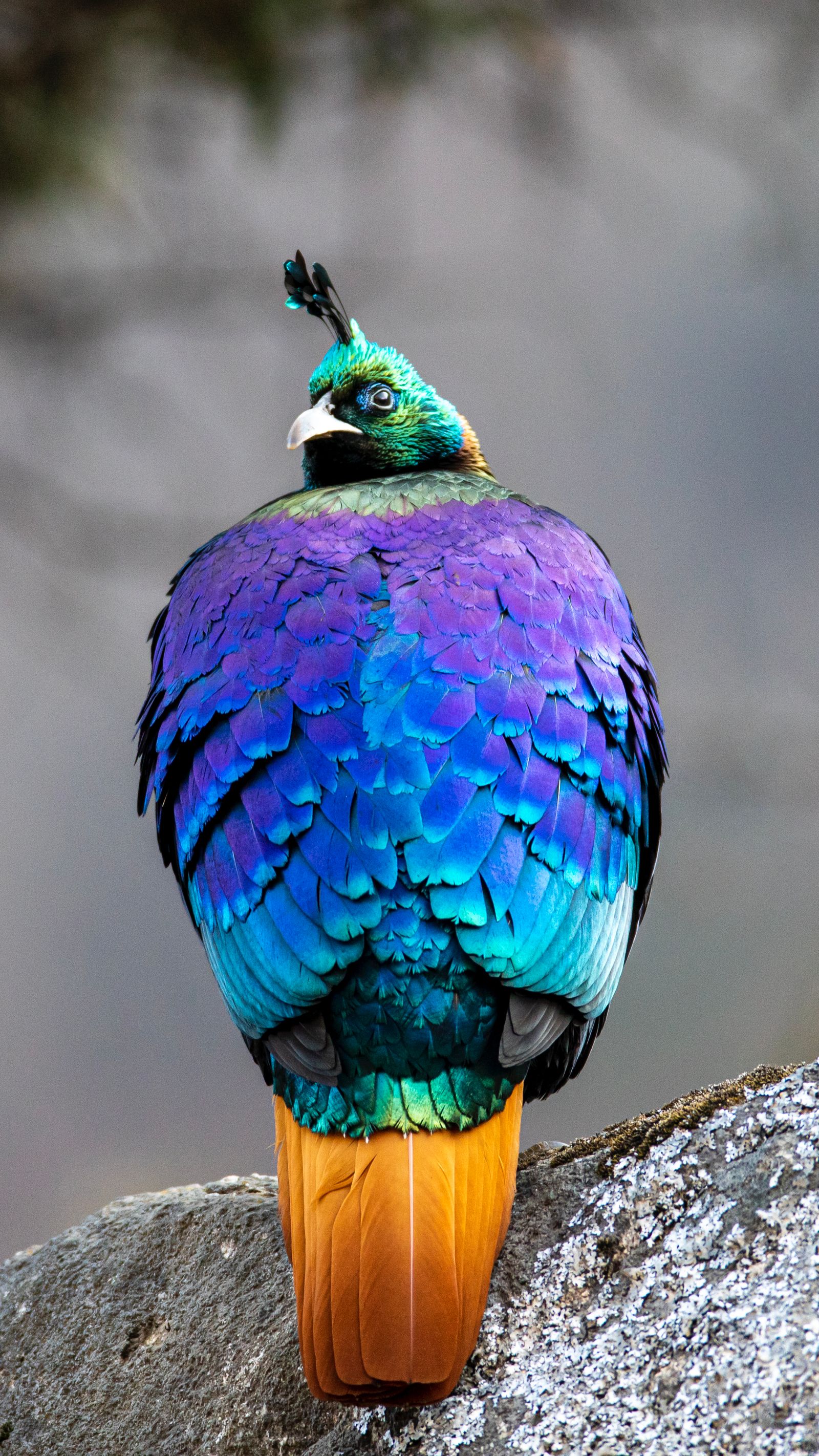
Phulchowki is a magnet for Himalayan forest birds within reach of the city: laughingthrushes, minivets, sunbirds, warblers, fulvettas, woodpeckers, cutias and parrotbills work the canopy and understorey, while raptors soar over the ridge. The dry scrub at the lower edge near Godawari is a classic spot for the spiny babbler, Nepal's only endemic bird. Birders chasing the national danphe head higher into the trekking regions, but Phulchowki delivers a remarkable forest list close to Kathmandu.
How to visit
Phulchowki lies about an hour by road from central Kathmandu, near Godawari, making it an easy day trip. Most birders start before dawn, work slowly up through the lower scrub and forest on foot, and aim to be high on the hill through the active morning hours. A local bird guide is well worth hiring; the calls come thick and fast, and many of the best birds are skulkers in dense cover.
Best season
Spring (March to May) is the prime season, when forest birds are vocal and in fresh plumage and the rhododendrons bloom. Autumn is also rewarding, and clear winter mornings can be excellent, with lower-elevation visitors in the forest. The monsoon is wet, leech-ridden and best avoided. Time your visit with the best time to visit Nepal guide, and pair the hill with the wetland flocks of Koshi Tappu in the eastern Terai for a full spread of habitats.
Watching responsibly
Keep noise down on the trail, stay on the road and established paths to protect the forest floor, and avoid playback that disturbs territorial birds. Carry water and warm layers for the cool summit, start at first light, and take all your litter back down with you.
Featured in
Frequently asked questions
Where is Phulchowki?+
Phulchowki is the highest hill on the rim of the Kathmandu Valley, rising to about 2,765 metres on the southern edge near Godawari, roughly an hour's drive from central Kathmandu. A rough road and a walking trail climb through forest from the Godawari Botanical Garden to the summit.
Why is Phulchowki good for birdwatching?+
Phulchowki carries the best stretch of broadleaf forest near Kathmandu, climbing through several habitat zones, so well over 300 bird species have been recorded on the hill. It is Nepal's most accessible top-quality birding site, reachable as an easy day trip from the city.
What birds can you see at Phulchowki?+
The forest holds laughingthrushes, minivets, sunbirds, warblers, woodpeckers, cutias and parrotbills, with the lower scrub a classic site for the endemic spiny babbler. Many Himalayan forest specialities can be found without leaving the Kathmandu Valley.
When is the best time to bird Phulchowki?+
Spring (March to May) is best, when forest birds are vocal and in breeding plumage and the rhododendrons are in flower. Autumn is also good, and clear winter mornings can be productive. Start at first light to catch the most active feeding period.