Festival · Khaptad
Khaptad's Pilgrimage Sites
The Khaptad Baba Ashram, the Tribeni confluence and Sahasra Linga — the spiritual heart of the Khaptad plateau.
Khaptad is as much a place of pilgrimage as a national park, and its sacred sites are what set it apart from Nepal's other far-western highlands. Three sites form the spiritual core of the plateau: the Khaptad Baba Ashram, the Tribeni confluence and the Sahasra Linga, all within easy walking distance across the meadows. This collection brings them together for travellers who want to understand Khaptad's deep religious heritage.
The short answer
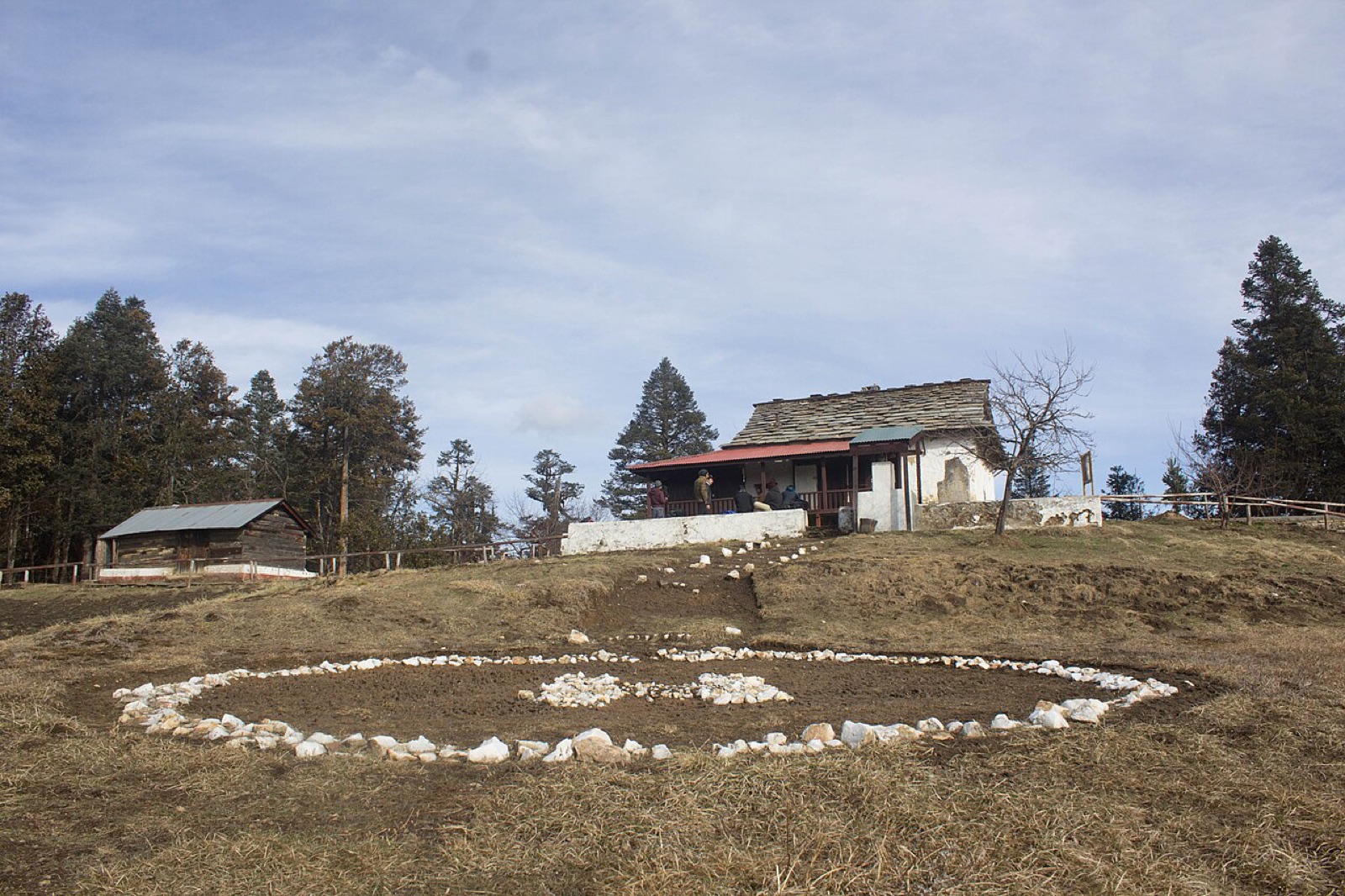
Start at the Khaptad Baba Ashram, the meditation home of the sage who gave the plateau its spiritual fame. From there, short walks reach the Tribeni confluence, where three streams meet at a sacred bathing site, and the Sahasra Linga, a high point dotted with small Shiva lingas. Together they make a gentle, contemplative circuit that anchors any visit to the Khaptad plateau. For the wider context, see spiritual Nepal and Hinduism in Nepal.
Khaptad Baba's legacy
The plateau's spiritual identity flows from Khaptad Baba, also known as Khaptad Swami, an ascetic and scholar who lived and meditated here for around half a century in the twentieth century. His ashram and the surrounding meditation grounds are treated with reverence; visitors are asked to keep quiet, avoid disturbing the site and respect its contemplative atmosphere. The national park itself was established in part to protect this spiritual landscape.
Tribeni and the full-moon festival
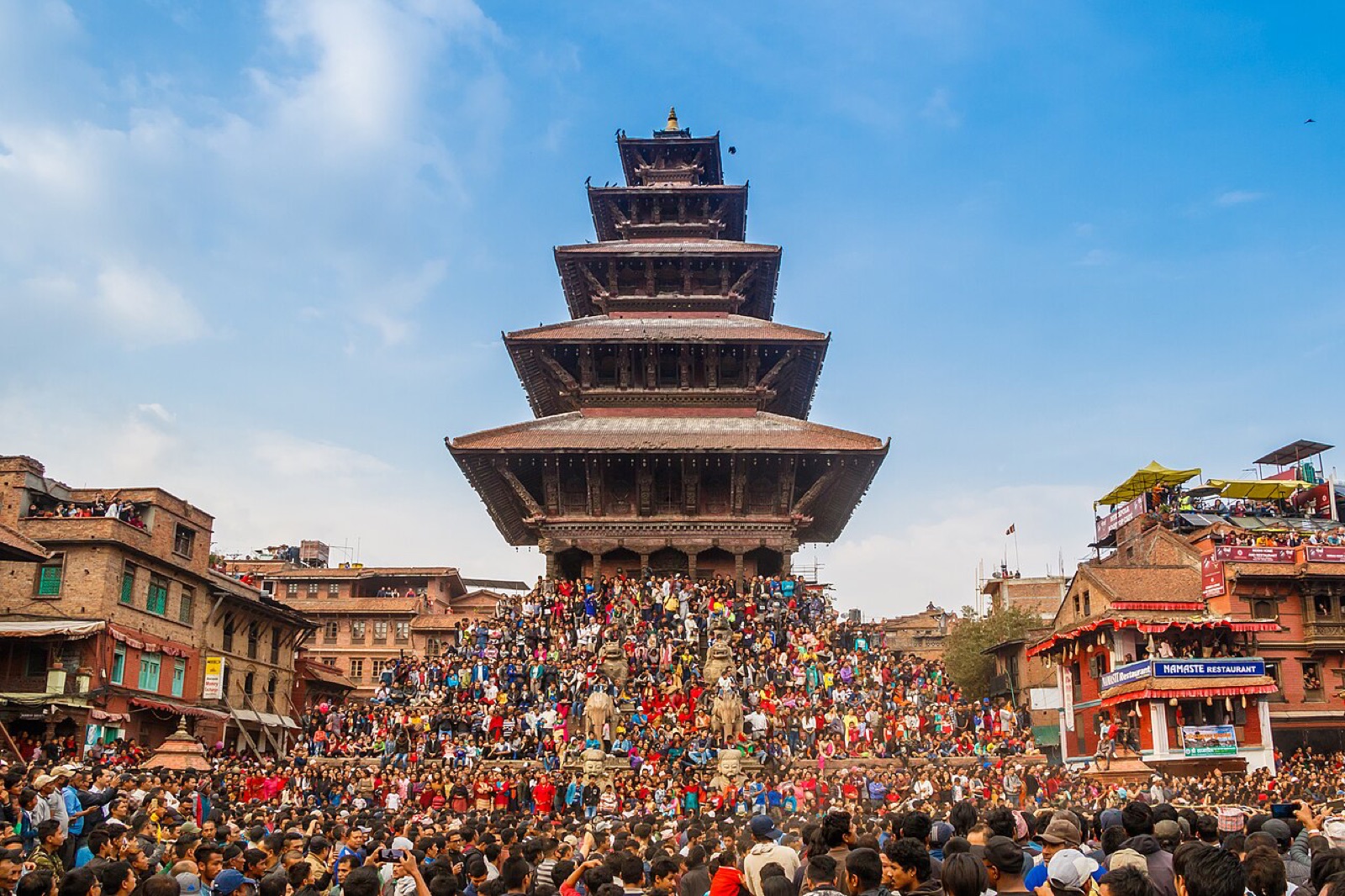
The Tribeni confluence — literally "three streams" — is the most important sacred spot on the plateau, a place where pilgrims bathe and worship at small shrines. It comes alive during the Ganga Dashahara full moon, usually in June, when worshippers from across the far west converge to bathe and pay their respects. Outside the festival it is a quiet, reflective place set among the meadows.
Sahasra Linga and the shrines
A short climb leads to the Sahasra Linga, one of the highest points on the plateau, where the ground is studded with many small stone Shiva lingas and the views open across the patans. It is the most elevated of the sacred sites and rewards the walk with both spiritual significance and a panorama over the meadows.
Visiting respectfully
These are living sacred places, not museum pieces. Dress modestly, remove footwear where signs or custom require it, ask before photographing people at worship, and carry out all litter. Combining the shrines with the meadows and the Khaptad Lake makes for a full, gentle day — see the top things to do in Khaptad for the rest, and read sacred sites and pilgrimages of Nepal to place Khaptad in the national picture.
Our top picks


Frequently asked questions
Why is Khaptad a pilgrimage site?+
Khaptad is tied to the revered ascetic Khaptad Baba, who meditated on the plateau for decades. His ashram, the sacred Tribeni confluence and the Sahasra Linga draw Hindu pilgrims, especially during the Ganga Dashahara full-moon festival when crowds gather at Tribeni.
What are the main sacred sites at Khaptad?+
The three principal sites are the Khaptad Baba Ashram at the centre of the plateau, the Tribeni confluence where three streams meet, and the Sahasra Linga, a high point studded with small stone Shiva lingas. All sit within easy walking distance on the meadows.
When do pilgrims visit Khaptad?+
The biggest gathering is during the Ganga Dashahara full moon (usually June), when pilgrims converge on the Tribeni confluence to bathe and worship. Pilgrims and visitors also come through the spring and autumn trekking seasons when the plateau is most accessible.
Can non-Hindus visit Khaptad's shrines?+
Yes. Travellers of all backgrounds are welcome to walk among the shrines and the ashram grounds. As these are active sacred places, dress modestly, follow local customs, remove footwear where asked and keep noise and litter to a minimum.