Wildlife · Nepal
Sagarmatha National Park
The UNESCO park around Mount Everest — Sherpa villages, snow leopards, tahr and the world's highest trekking trails.
Sagarmatha National Park protects the roof of the world — the Khumbu region around Mount Everest (Sagarmatha in Nepali), a UNESCO World Heritage Site of glaciers, soaring peaks and Sherpa villages in northeastern Nepal. Established in 1976 and inscribed by UNESCO in 1979, it is where high-altitude wilderness meets one of the world's great trekking cultures.
Location and landscape
The park spans roughly 1,148 square kilometres of the upper Solukhumbu district, rising from forested valleys near Lukla to the summit of Everest at 8,849 metres. It takes in Lhotse, Nuptse, Cho Oyu and Ama Dablam, vast glaciers such as the Khumbu, and high alpine valleys. A buffer zone surrounds the core, and Sherpa settlements like Namche Bazaar, Khumjung and Tengboche lie within the park.
Wildlife and scenery
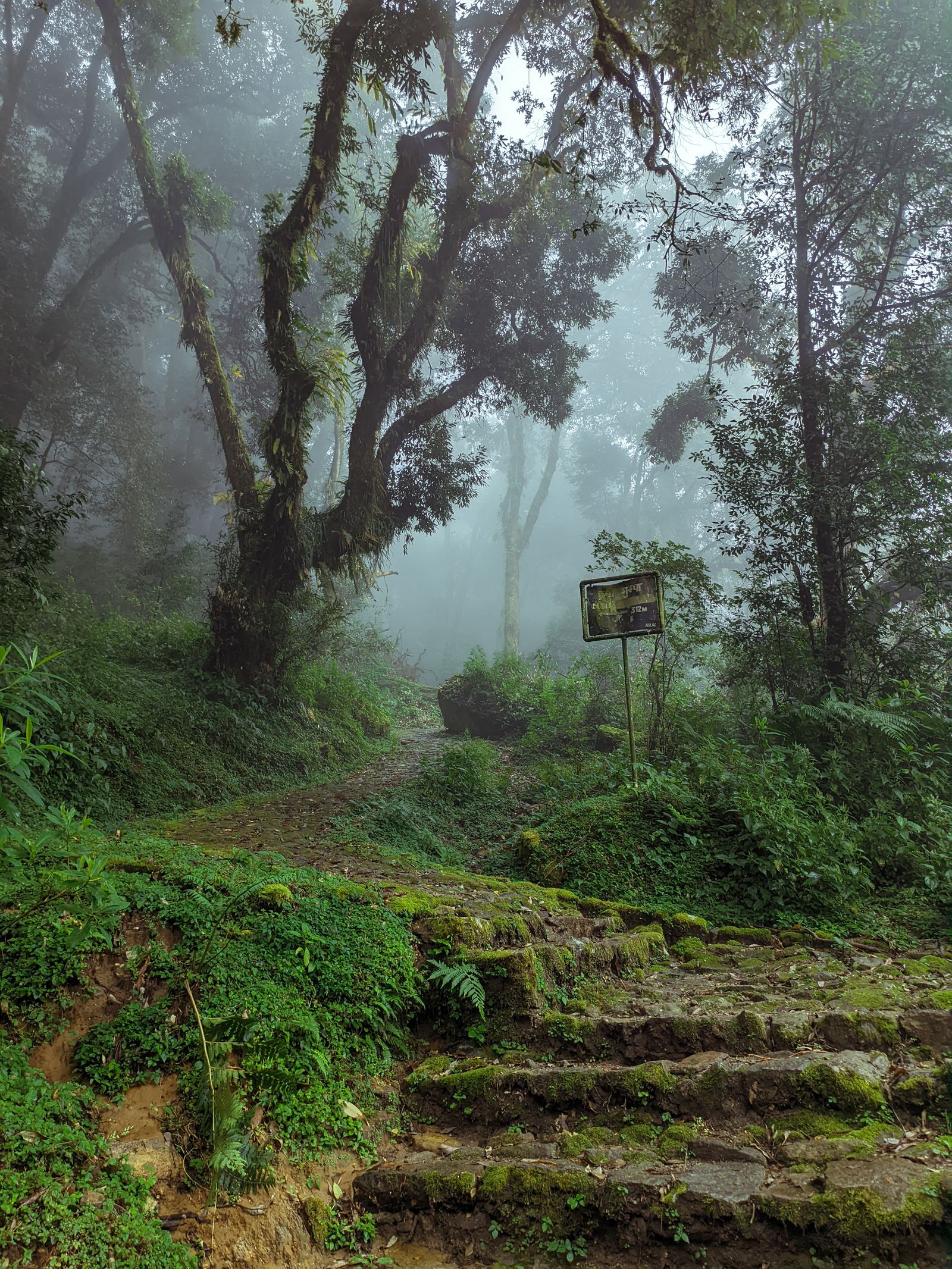
This is high-altitude scenery first and foremost — ice, rock and rhododendron forest beneath the planet's tallest peaks. Wildlife is adapted to the extremes: Himalayan tahr, musk deer, the colourful Himalayan monal (Nepal's national bird), blood pheasant, snowcock, and in the lower forests the red panda. The snow leopard ranges across the high country, though sightings are rare, and the rugged terrain also holds Himalayan wolf and weasels. The cultural landscape — Buddhist monasteries such as Tengboche, mani walls, prayer flags and stone villages — is as much a part of the park as its glaciers, and the sound of monastery horns drifting across the valleys is unforgettable.
Why visit
Most visitors come to trek to Everest Base Camp or to viewpoints like Kala Patthar, walking through Sherpa heartland beneath the highest mountains on earth. For the full route, acclimatisation, costs and logistics, see the Everest Base Camp trek guide. Beyond base camp, the park offers high passes, Gokyo's glacial lakes and rich Buddhist heritage.
How to get there
The standard approach is a mountain flight from Kathmandu (or a drive then flight via Ramechhap) to Lukla, followed by several days of trekking up to Namche and the high valleys. Helicopter access is also possible. All access is on foot beyond the airstrip.
Best time to visit
Spring (March to May) and autumn (late September to November) are the prime trekking seasons, with clear mountain views and stable weather. Winter is intensely cold and many high lodges close, while the monsoon brings cloud and frequent flight disruptions to and from Lukla.
Permits and fees
Trekkers need the Sagarmatha National Park entry permit and the Khumbu Pasang Lhamu Rural Municipality permit, both checked on the trail, and should confirm current TIMS requirements before departure. Carry your passport and arrange permits through a registered agency or at official checkpoints.
Conservation note
The Khumbu faces real pressures from climbing and trekking traffic, including waste management and glacial change driven by a warming climate. Local Sherpa institutions, the Sagarmatha Pollution Control Committee and park authorities run clean-up and waste schemes. Visitors help by carrying out rubbish, refilling water rather than buying plastic bottles, and respecting sacred sites.
Sagarmatha is the high-altitude flagship of Nepal's parks. Compare it with neighbouring Makalu Barun National Park, the more accessible Langtang National Park near Kathmandu, or browse the full national parks of Nepal collection.
Frequently asked questions
Where is Sagarmatha National Park?+
Sagarmatha National Park is in the Solukhumbu district of northeastern Nepal, covering the upper Khumbu region around Mount Everest. The gateway is the airstrip at Lukla, from which trekkers walk up to Namche Bazaar and beyond.
Is Mount Everest in Sagarmatha National Park?+
Yes. Sagarmatha is the Nepali name for Mount Everest, and the park protects the mountain along with neighbouring peaks such as Lhotse, Nuptse, Ama Dablam and Cho Oyu, plus the glaciers and Sherpa villages of the Khumbu.
What wildlife lives in Sagarmatha National Park?+
The park shelters Himalayan tahr, musk deer, Himalayan monal pheasant, blood pheasant and the elusive snow leopard, along with red panda in lower forests. High altitude means wildlife is sparse and sightings of the rarer mammals are uncommon.
Do you need a permit for Sagarmatha National Park?+
Yes. Trekkers need a Sagarmatha National Park entry permit plus the local Khumbu Pasang Lhamu Rural Municipality permit, both checked on the trail. A TIMS card may also apply depending on current rules; carry your passport.
What is the best time to trek in Sagarmatha National Park?+
Pre-monsoon spring (March to May) and post-monsoon autumn (late September to November) offer the clearest skies and most stable trekking weather. Winter is very cold at altitude, and the summer monsoon brings cloud, rain and flight delays.