Wildlife · Nepal
Endangered & Iconic Wildlife of Nepal
Nepal's most endangered and iconic animals, from Terai tigers and gharials to Himalayan snow leopards, musk deer and pangolins.
Nepal protects an extraordinary roster of endangered and iconic animals, from the apex predators of the steamy Terai jungles to the ghostly cats and scent-bearing deer of the high Himalaya. This collection gathers eight of the country's most threatened and celebrated species, each with where to see it, its conservation status, and the best parks and seasons to plan around. Together they tell the story of why Nepal is regarded as one of the world's great conservation success stories.
The short answer
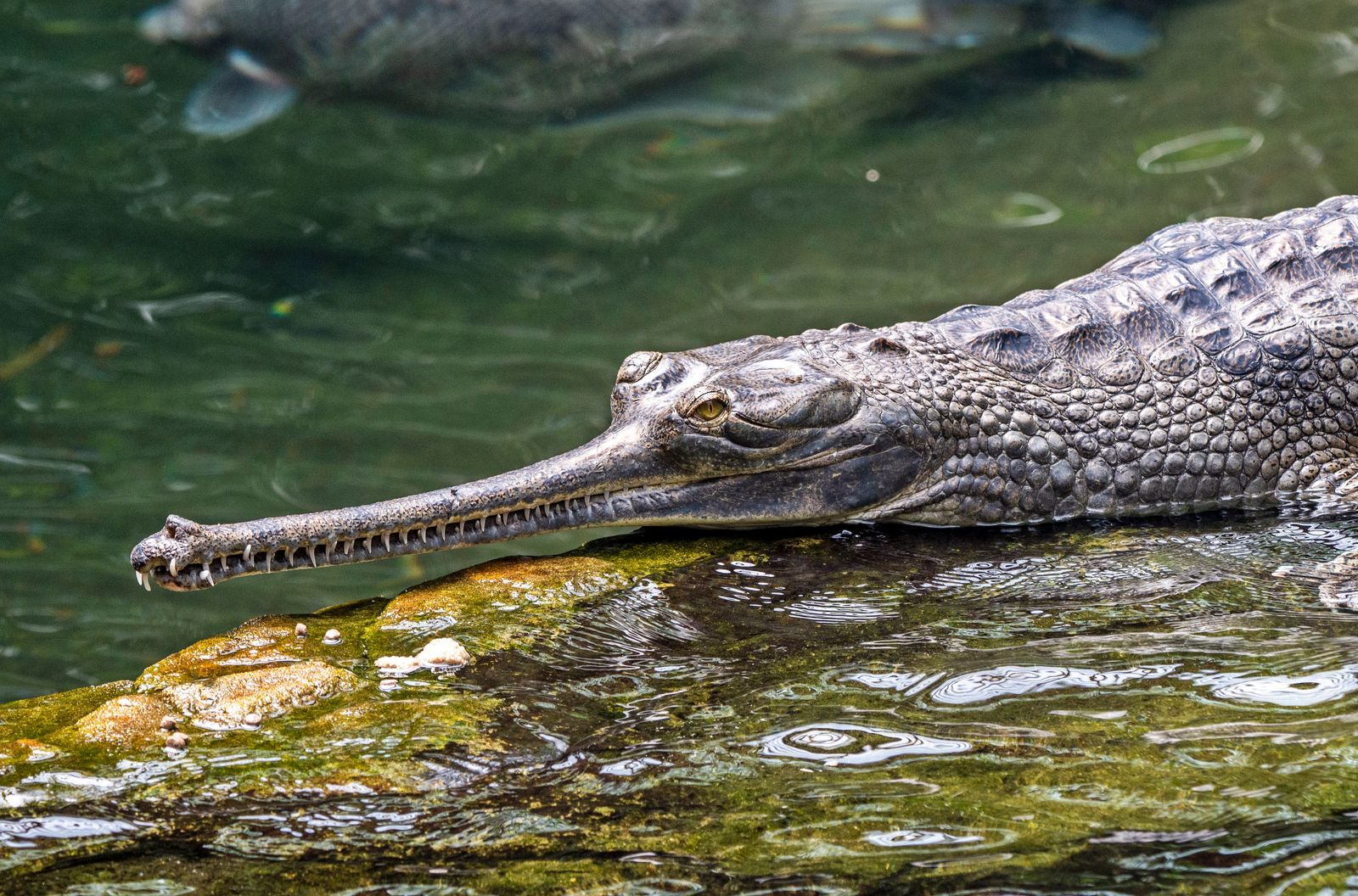
For lowland species, the Terai parks are unbeatable. Bardia National Park in the far west is Nepal's prime country for the wild Bengal tiger, while the great rivers of Chitwan National Park shelter the critically endangered gharial crocodile and the rare Gangetic river dolphin. Chitwan and Shuklaphanta also protect the last Nepali herds of the swamp deer, or barasingha.
High-country and forest species
The mountains hold Nepal's most elusive animals. The trans-Himalayan wilderness of Dolpo and Mustang is the realm of the snow leopard, and the cold birch and rhododendron forests just below it shelter the Himalayan musk deer, hunted for centuries for its prized musk. In the dense mid-hill and eastern forests live the secretive clouded leopard and the heavily trafficked pangolin, one of the most poached mammals on Earth. These forests are also home to the jewel-coloured red panda.
Why these species matter
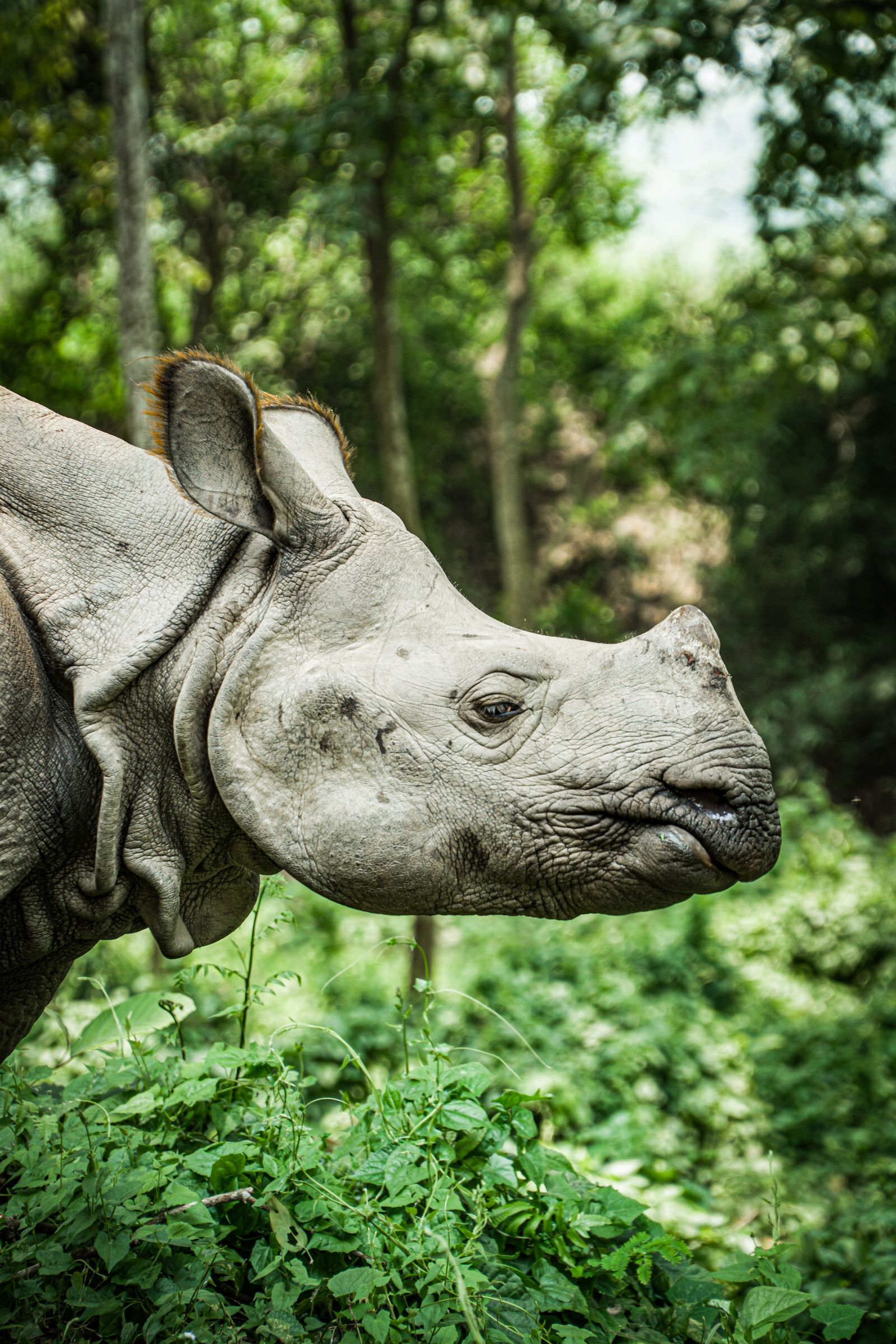
Each animal here is a flagship for a whole landscape. A healthy tiger or snow leopard population signals intact prey and habitat beneath it; gharials and dolphins are living indicators of clean, flowing rivers; and the musk deer, pangolin and clouded leopard are barometers of forest health. Protecting them means protecting the grasslands, rivers and forests that millions of Nepalis depend on too. Several share their range with the country's beloved greater one-horned rhino, itself a model of recovery from near extinction.
A conservation bright spot
Nepal is widely admired for community-based conservation. Wild tigers have nearly tripled to around 355, one-horned rhinos have climbed past 750, and the country has marked multiple years with no rhino poaching at all. This progress rests on dedicated anti-poaching patrols, restored forest corridors, and deep involvement from buffer-zone communities who increasingly see living wildlife as worth more than poached wildlife. Even so, river species like the gharial and dolphin, and trafficked animals like the pangolin and musk deer, remain in real danger and need continued protection.
How to plan around endangered wildlife
Match the species to the season and the region. Lowland safaris in Chitwan and Bardia are best from October to April, when cool, dry weather and shorter grass make for the clearest sightings of tigers, gharials, dolphins and swamp deer. Himalayan and forest species reward patience: snow leopard tracking treks run in late autumn and winter, while musk deer, pangolins and clouded leopards are rarely seen at all and are best appreciated through camera-trap research and responsible, guided forest visits.
For the protected areas that safeguard these animals, see the national parks of Nepal collection and our overview of Nepal's national parks and wildlife, and browse the broader wildlife of Nepal guide. Tap any species above for its description, range, conservation status and the best places and seasons to see it.
Our top picks


Frequently asked questions
What is Nepal's most endangered animal?+
Several Nepali species are critically endangered, including the gharial crocodile, the Chinese pangolin and the swamp deer (barasingha). Others such as the Bengal tiger, snow leopard, Gangetic river dolphin and Himalayan musk deer are also threatened with extinction.
Where can I see endangered wildlife in Nepal?+
The Terai parks of Chitwan and Bardia hold tigers, gharials, dolphins and swamp deer, while the high Himalaya of Dolpo and Mustang shelters snow leopards and musk deer. Eastern forests are best for clouded leopards, red pandas and pangolins.
Why is so much of Nepal's wildlife endangered?+
Habitat loss, poaching for skins, horns, musk and scales, river damming, and human-wildlife conflict are the main pressures. Many species also have small, scattered populations that are slow to recover, making protected areas and anti-poaching work essential.
Is wildlife conservation in Nepal successful?+
Yes, in many respects. Nepal has nearly tripled its wild tigers, brought one-horned rhinos back over 750 animals and achieved several years of zero rhino poaching, making it a global bright spot for community-based conservation.