Wildlife · Nepal
Red Panda in Nepal
A shy jewel of the eastern Himalaya — where to find the endangered red panda in Nepal's rhododendron forests.
The red panda (Ailurus fulgens) is one of the Himalaya's most enchanting and elusive animals — a russet, cat-sized creature with a ringed tail and a masked face, perfectly adapted to the cool, mossy forests of eastern and central Nepal. Shy and largely arboreal, it is a prized but challenging sighting for wildlife lovers.
Description
About the size of a large house cat, the red panda has thick reddish-brown fur, white facial markings and a long, bushy, banded tail that it wraps around itself for warmth. Though descended from carnivores, it feeds mainly on bamboo leaves and shoots, along with fruits, berries and the occasional egg or small animal. It is most active at dawn and dusk and spends much of its life in the trees.
Where to see it in Nepal
Red pandas inhabit temperate, bamboo-rich forests across eastern and central Nepal. Strongholds include the Ilam, Panchthar and Taplejung districts, the Kanchenjunga Conservation Area, and the protected forests of Langtang and Makalu Barun. Several community forests in eastern Nepal now run dedicated red panda monitoring and viewing trips with local trackers, which offer the best realistic chance of a sighting.
Conservation status
The red panda is listed as Endangered on the IUCN Red List, with a small global population that continues to decline. In Nepal it is fully protected. The principal threats are habitat loss and fragmentation as forests are cleared, poaching for fur, and predation and disturbance by free-roaming dogs. Community-based conservation, "forest guardian" programmes and habitat corridors are central to its protection in eastern Nepal.
Best regions and season
For the best chance, base yourself in the eastern Himalayan forests around Ilam, the Kanchenjunga region or Makalu Barun, ideally between December and April, when red pandas descend to lower forests and are easier to find in the cold mornings. Sightings demand patience and a skilled local tracker; go slowly, stay quiet, and treat any encounter as a rare privilege.
Behaviour and ecology
The red panda is exquisitely adapted to a low-energy, bamboo-based diet. Because bamboo is poor in nutrients, the panda spends long hours feeding and conserves energy by resting curled up in trees for much of the day, often draping its tail over itself against the cold. It has a modified wrist bone that acts like a false thumb, helping it grip bamboo stems, and semi-retractable claws and flexible ankles that make it a confident climber, able to descend trees head-first. Largely solitary outside the breeding season, it marks territory with scent and is most active in the cool hours of dawn and dusk. Its presence is a barometer of forest health: where red pandas thrive, the temperate Himalayan forest and its bamboo understorey are intact.
Viewing notes
Always use a trained local guide or community red panda tracker, keep noise and crowding to a minimum, and never try to approach or feed a panda. Choosing community-run trips channels income directly into the conservation that keeps these forests standing, and gives local people a direct stake in protecting the species rather than clearing its habitat.
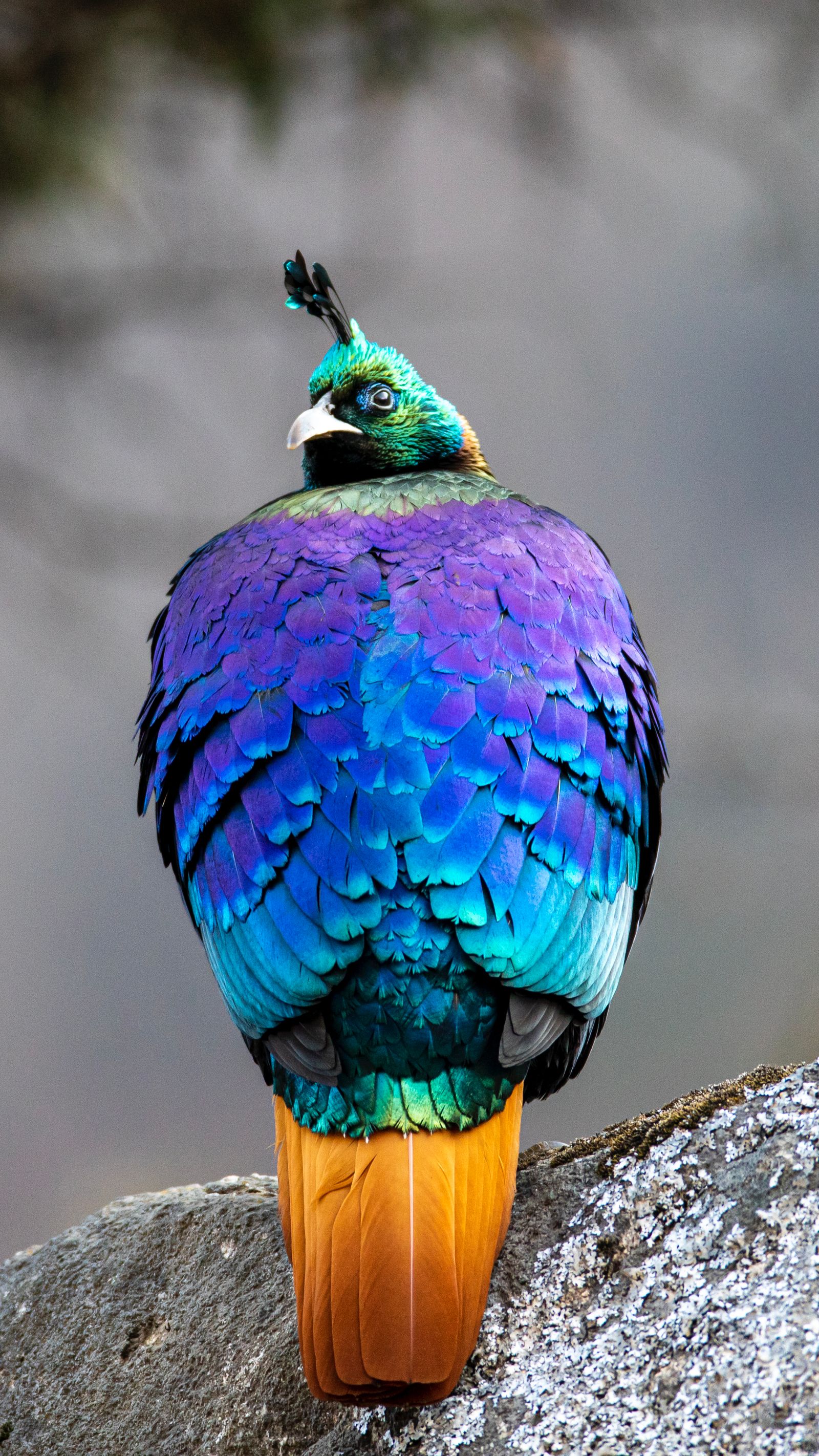
The red panda shares the high forests with the Himalayan monal and ranges below the realm of the snow leopard. Explore the full wildlife of Nepal collection and the national parks of Nepal for the protected areas that shelter it.
Frequently asked questions
Where can you see red pandas in Nepal?+
Red pandas live in temperate forests across eastern and central Nepal, in areas such as Ilam, Panchthar, Taplejung, the Kanchenjunga region, Langtang and Makalu Barun. Community forests in eastern Nepal run dedicated red panda viewing trips.
What is the conservation status of the red panda?+
The red panda is listed as Endangered on the IUCN Red List, with a small and declining global population. Habitat loss, fragmentation, poaching and free-roaming dogs are the main threats in Nepal.
What does the red panda eat?+
Despite being a carnivore by lineage, the red panda feeds mainly on bamboo leaves and shoots, supplemented with fruits, berries, eggs and small animals. It spends much of its time in trees in mossy, bamboo-rich Himalayan forest.
When is the best time to see red pandas in Nepal?+
Winter and early spring, roughly December to April, are often best, when red pandas move to lower forests and are more active by day. Cold mornings around bamboo thickets give the best chance, with a local tracker or guide.
Is the red panda related to the giant panda?+
No. Despite the shared name and a love of bamboo, the red panda is not closely related to the giant panda. It belongs to its own family, Ailuridae, and is the only living member of its kind.