Wildlife · Nepal
Snow Leopard in Nepal
The ghost of the high Himalaya — where to track the elusive snow leopard in Nepal's trans-Himalayan wilderness.
The snow leopard (Panthera uncia) is the phantom of Nepal's high mountains — a pale, smoke-grey cat so superbly camouflaged and so thinly spread across the trans-Himalaya that even researchers rarely see one. It is the apex predator of the high country and one of the most coveted, and difficult, wildlife sightings on Earth.
Description
Built for cold and altitude, the snow leopard has thick, pale grey-white fur patterned with dark rosettes, a long thick tail for balance and warmth, and large furred paws that act like snowshoes. It is smaller and more compact than other big cats and cannot roar. Solitary and secretive, it ranges over huge territories of cliff, scree and alpine valley, hunting mainly blue sheep (bharal) and Himalayan tahr.
Where to see it in Nepal
Snow leopards inhabit the high, dry trans-Himalayan landscapes of northern Nepal. The classic stronghold is Dolpo, within Shey Phoksundo National Park, along with Upper Mustang, the Annapurna and Manaslu conservation areas, the Kanchenjunga region and parts of Sagarmatha National Park. Specialist snow leopard tracking treks in Dolpo, run with experienced local spotters, offer the best realistic chance of a sighting.
Conservation status
The snow leopard is listed as Vulnerable on the IUCN Red List, with a small, fragmented global population spread across the mountains of Central and South Asia. In Nepal it is strictly protected. The main threats are poaching for fur and bones, decline of wild prey, and retaliatory killing by herders after livestock losses. Conservation efforts focus on community-based stewardship, livestock insurance schemes, predator-proof corrals and long-term monitoring with camera traps.
Best regions and season
For any chance of a sighting, join a dedicated tracking expedition into Dolpo or Upper Mustang, ideally in late autumn and winter (November to March), when snow leopards and their blue sheep prey drop to lower, more accessible elevations and snow makes tracks easier to read. These are demanding, high-altitude trips: expect cold, remoteness and no guarantees, with the journey itself a large part of the reward.
Behaviour and ecology
Everything about the snow leopard is shaped by life in a cold, oxygen-thin, vertical world. Its long tail doubles as a counterbalance on steep ground and as a wrap-around blanket in the cold; its wide, fur-covered paws spread its weight on snow; and its pale, dappled coat dissolves against rock and scree. As the top predator of the high mountains, it keeps populations of blue sheep and tahr in balance, and a healthy snow leopard range signals a healthy alpine ecosystem. The cat is solitary and ranges enormous distances, scent-marking rocks and ridgelines to communicate with its neighbours. Mothers raise their cubs in sheltered dens among the cliffs, and even researchers studying the species often rely on camera traps and tracks rather than direct sightings.
Tracking notes
Use experienced local guides and spotters, scan distant slopes patiently with good optics, and keep groups small and quiet. Choose community-based operators whose work supports the herding villages that share this landscape with the cat, since the long-term survival of the snow leopard depends on the goodwill of the people who live alongside it.
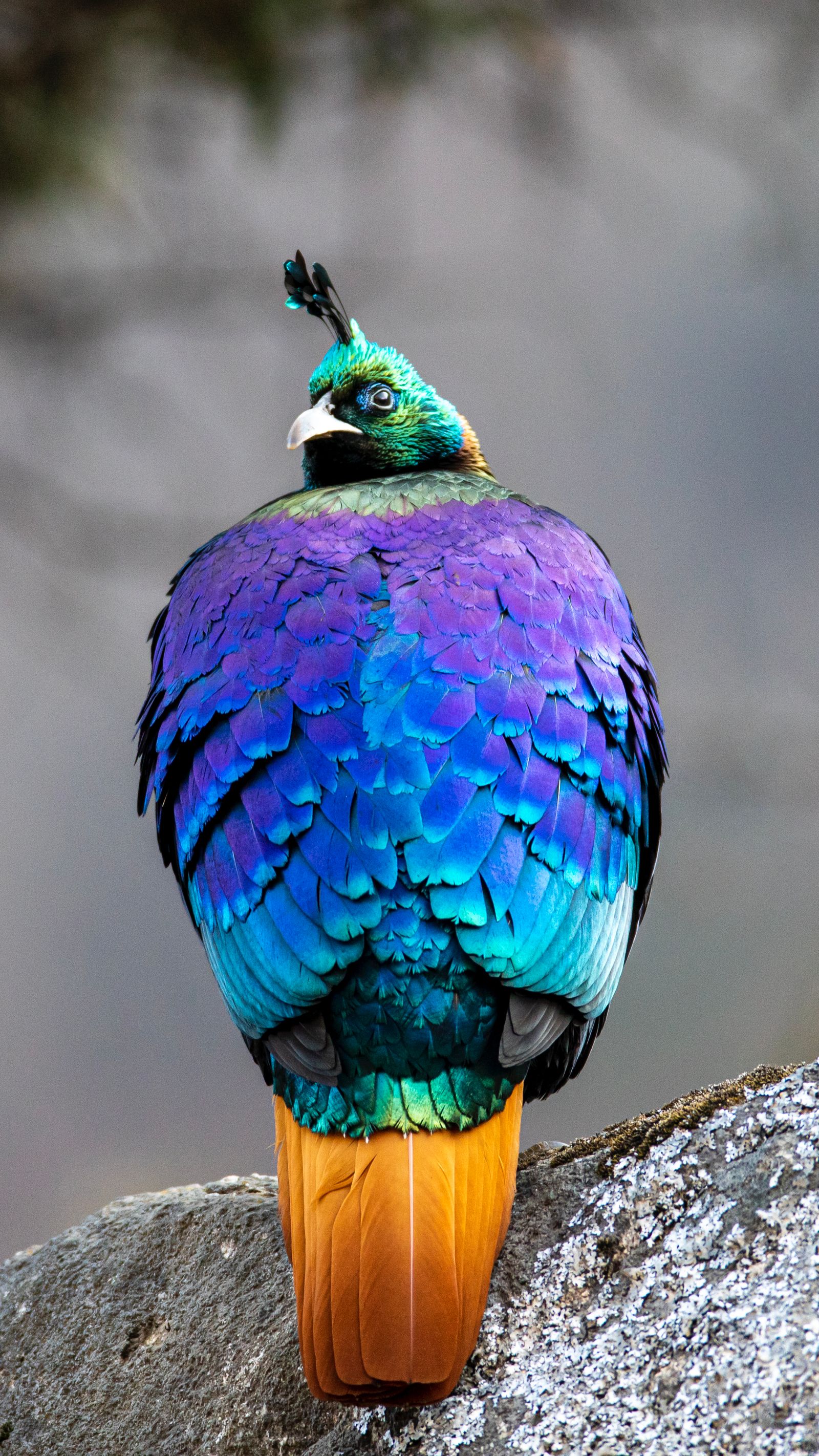
The snow leopard reigns over terrain far above the forests of the red panda and the Himalayan monal, and is the high-country counterpart to the lowland Bengal tiger. Explore the full wildlife of Nepal collection and the national parks of Nepal.
Frequently asked questions
Where can you see snow leopards in Nepal?+
Snow leopards live in the high trans-Himalayan landscapes of Nepal, including Dolpo (Shey Phoksundo), Upper Mustang, the Annapurna and Manaslu conservation areas, Kanchenjunga and Sagarmatha. Dedicated tracking treks in Dolpo offer the best chance.
What is the conservation status of the snow leopard?+
The snow leopard is listed as Vulnerable on the IUCN Red List. Its global population is small and scattered across the mountains of Central and South Asia. Poaching, prey decline and retaliatory killing over livestock are key threats.
How rare is it to see a snow leopard?+
Very rare. The snow leopard is famously elusive, superbly camouflaged and lives at low density across vast, remote terrain. Even on dedicated tracking expeditions, sightings require luck, patience and skilled local spotters.
When is the best time to track snow leopards in Nepal?+
Late autumn and winter, roughly November to March, are best, when snow leopards and their blue sheep prey move to lower elevations. Cold, clear conditions in Dolpo and Mustang improve the odds for specialist tracking treks.
What do snow leopards eat in Nepal?+
Snow leopards mainly hunt blue sheep (bharal) and Himalayan tahr, along with marmots, pikas and game birds. Where wild prey is scarce, they may take domestic livestock, which can lead to conflict with herders.