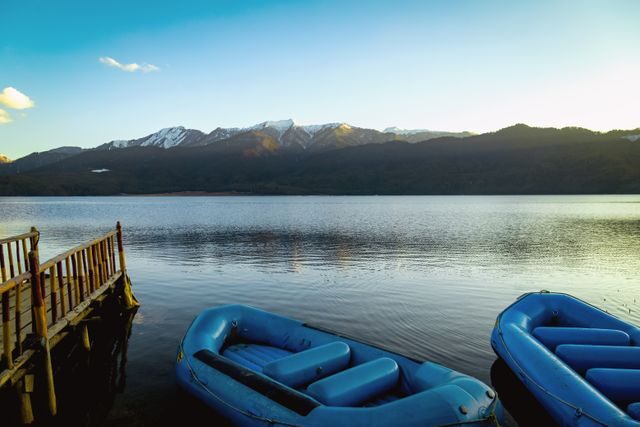
Travel tips · Rara
Best Time to Visit Rara
Autumn and spring bring clear skies and reliable flights to Rara — a season-by-season guide for far-west Nepal.
The best time to visit Rara is autumn (September to November) and spring (April to May), when the far-western skies are clearest, the weather is settled and the small-plane flights to Talcha and Jumla run most reliably. These are the prime seasons for the viewpoints, the shore loop and trekking in. This guide breaks Rara down season by season so you can plan around the weather and the flights.
Autumn (September to November)
The standout season. After the monsoon clears, skies are crisp and clear, the lake is its deepest blue and Himalayan views from Murma Top and Chuchemara Danda are at their sharpest. Days are comfortable, nights cold, and flights are at their most reliable — book ahead.
Spring (April to May)
The second-best window, with warming days, stable weather and rhododendron colour brightening the forest around Rara Lake. Visibility is generally good, though it can haze up later in May. A fine time for the Rara Lake trek.
Winter (December to February)
Cold and often snowy on the ridges, sometimes down to the lakeshore. Skies can be beautifully clear, but flights are more easily grounded and many lakeside lodges scale back, so come well-equipped and flexible.
Monsoon (June to August)
The least recommended season: cloud, rain, haze and frequent flight cancellations to the small airstrips. The hills are green, but unreliable views and travel make it a hard sell. Unlike rain-shadow regions such as Mustang, Rara does see monsoon weather, so few travellers attempt it then.
Which to choose
If clear Himalayan views and dependable flights matter most, autumn is the safest bet — September to November after the monsoon is the single best window at Rara. If you want forest colour and slightly warmer days and can accept a chance of late-season haze, spring is a fine alternative and a popular time for the Rara Lake trek. Winter suits only hardy, well-equipped travellers prepared for snow and possible flight delays, while the monsoon is best avoided.
Whatever the season, the limiting factor at Rara is almost always the weather-dependent small-plane flights rather than conditions at the lake itself. Even in peak autumn, cloud over the airstrips at Talcha or Nepalgunj can ground flights for a day or more, so a flexible itinerary with buffer days is essential. Plan your arrival and departure around this, sort a warm base through where to stay in Rara, and read how to get to Rara for the full flight chain before you commit to dates.
Good to know
- Flights first: Whatever the season, weather grounds small mountain flights — build in buffer days, as covered in how to get to Rara.
- Pack warm: Even in peak seasons, nights near 3,000m are cold — see where to stay in Rara.
- Wider context: Cross-check with the best time to visit Nepal and Nepal weather and climate.
Frequently asked questions
When is the best time to visit Rara Lake?+
Autumn (September to November) and spring (April to May) are the best times, with clear skies, settled weather, comfortable daytime temperatures and the most reliable small-plane flights to Talcha and Jumla. These are the prime trekking and viewing seasons.
Can you visit Rara in winter?+
Yes, but it is cold and snow often blankets the ridges and sometimes the lakeshore from December to February. Skies can be crisp and clear, but flights are more easily disrupted and many lakeside lodges scale back, so it suits hardy, well-equipped travellers.
Is the monsoon a bad time for Rara?+
Largely yes. The summer monsoon from June to August brings cloud, rain and haze, slippery trails and frequent flight cancellations to the small mountain airstrips. Rara is greener then, but the unreliable flights and views make it the least recommended season.
When is Rara best for photography?+
Clear mornings in autumn and spring give the sharpest light and mirror-calm water for photographs from Murma Top and the shore. Autumn skies after the monsoon are especially clear, while spring adds rhododendron colour in the surrounding forest.