Trekking · Rara
Rara Lake Trek & Circuit
A remote far-western trek from Jumla to Nepal's largest lake, through pine forest, villages and high viewpoints.
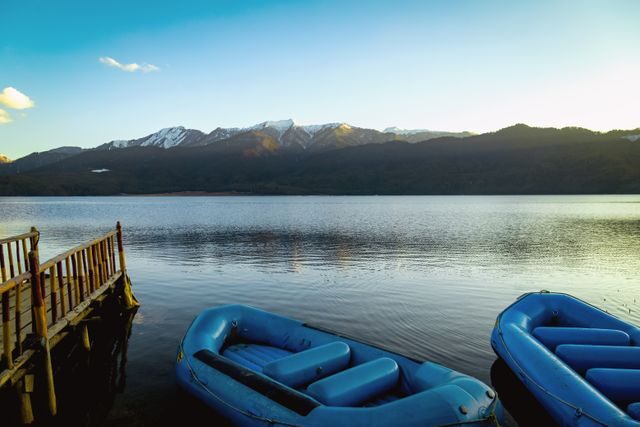
The Rara Lake trek is the classic, traditional way to reach Nepal's largest lake — a remote far-western walk from Jumla over forested ridges and through Karnali villages to the deep-blue shore of Rara Lake. Walking in, rather than flying to the doorstep, gives the fullest sense of just how isolated and pristine this corner of Rara is. This guide outlines the route, days and the lake circuit.
The route from Jumla
The trail starts at Jumla, reached by connecting flight from Nepalgunj, and climbs over forested passes toward 3,500m before descending through villages and pine forest to the lake. Allow two to three days each way, with two or more days at the lake — so roughly seven to ten days in total. The walking is non-technical but the altitude, cold nights and basic facilities call for good organisation.
The lake circuit and viewpoints
At the lake, the highlights are the shore loop around the water and the two great viewpoints — the easy Murma Top on the northern ridge and the strenuous Chuchemara Danda to the south. These add a day or two of rewarding day-hikes to the itinerary.
Shorter alternative
Short on time? Fly in to the Talcha airstrip near Gamgadhi and walk only the final stretch to the lake plus the shore circuit and viewpoints — see how to get to Rara for the flight chain. This trims the trip to a few days at the lake while still letting you walk the shore loop and reach Murma Top, and it is the most popular option for travellers without a spare week.
What to expect on the trail
The Rara Lake trek is a true off-the-beaten-path experience in one of Nepal's least-developed regions. The route passes through Khas-speaking far-western villages, terraced fields and long stretches of pine and oak forest, with very few other trekkers on the path. Facilities are basic — expect simple lodges or camping, limited supplies and patchy phone coverage — so the trek rewards self-sufficiency and a flexible attitude. Days are not long, but the altitude and cold nights mean a steady pace and warm gear matter.
This is also a chance to see Karnali life at close hand, far from the tea-house comfort of the Annapurna and Everest regions. Travelling responsibly, supporting local guides and lodges, and carrying out your rubbish all help keep this fragile, remote area pristine. For the wider picture, read the national Rara Lake trek overview, and pair the walk with the best things to do in Rara once you reach the lake.
Good to know
- Permits and guide: A national park permit and trekking arrangements are required; a guide is strongly advised in this remote region.
- Season: Trek in autumn or spring for clear weather and reliable flights — see the best time to visit Rara.
- Wider context: Compare with the national Rara Lake trek overview and read the Nepal trekking guide before you go.
Frequently asked questions
How long is the Rara Lake trek?+
The classic trek from Jumla to Rara Lake and back takes roughly seven to ten days on the trail, with two to three days walking in each direction plus time at the lake. Many shorten it by flying in to Talcha and walking only the final stretch and shore circuit.
Where does the Rara Lake trek start?+
The traditional starting point is Jumla, reached by a connecting flight from Nepalgunj. From Jumla the trail climbs over forested passes and through far-western villages to the lake. A shorter alternative begins from the Talcha airstrip near Gamgadhi.
How hard is the Rara Lake trek?+
It is a moderate trek with several forested pass crossings up toward 3,500m and basic facilities, in a very remote region. The walking is not technical, but the altitude, cold nights and limited infrastructure make organisation and acclimatisation important.
Do you need a guide and permit for the Rara trek?+
Yes. You need a Rara National Park entry permit and the standard trekking arrangements, and a guide is strongly recommended in this remote far-western region for navigation, logistics and supplies. Permits and guides are arranged in Jumla or Gamgadhi.


